
Re-pointing & stone slipsin Cambridge, St Neots and across Cambridgeshire
Lime mortar re-pointing done properly - raked out, not skimmed over - plus natural stone slip cladding fitted to walls and chimney breasts.
£2 million insured. 6-month workmanship guarantee. Answered 24 hours.
5.0 from 36 reviews
100% recommended on Facebook
10 years in the trade
Jack on site daily
£2 million insured
Public & employers' liability
Phone open 24 hours
6-month workmanship guarantee
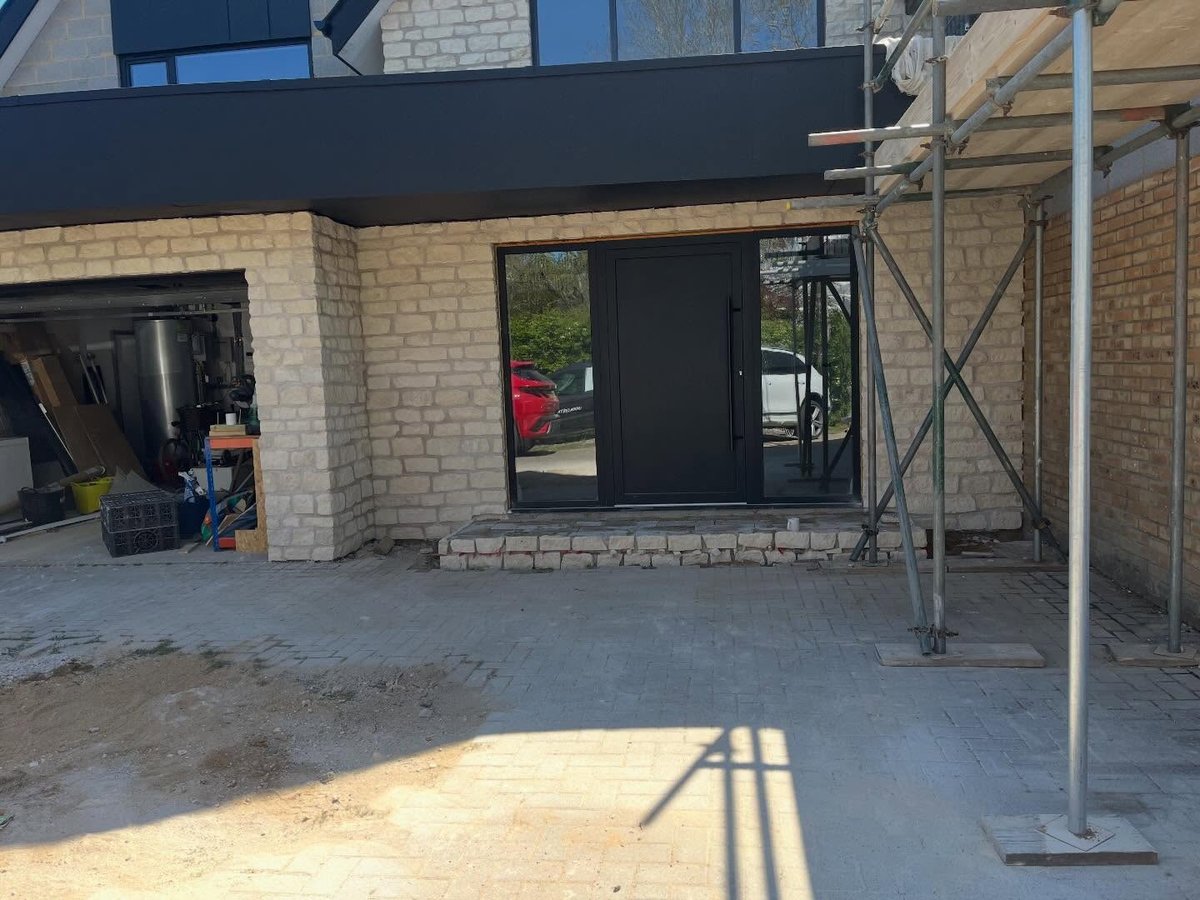
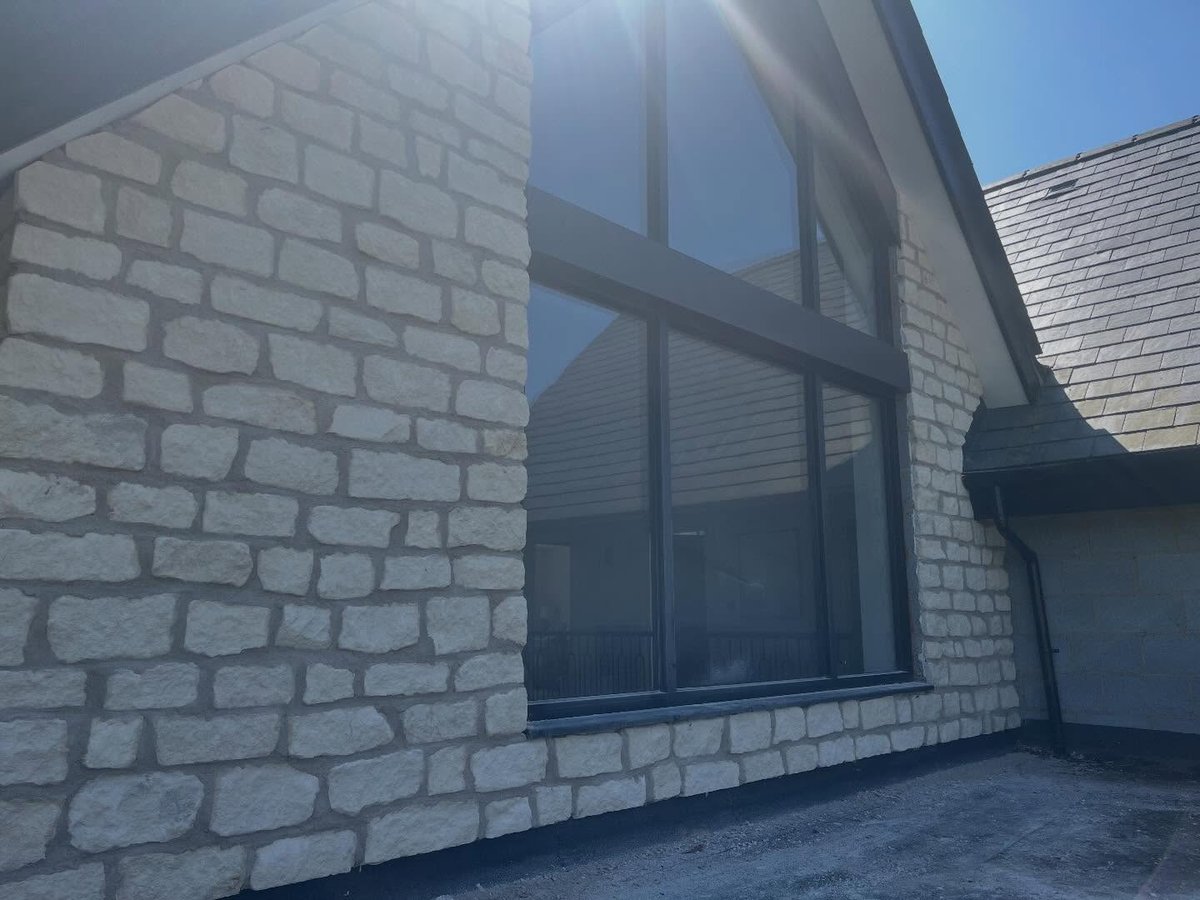
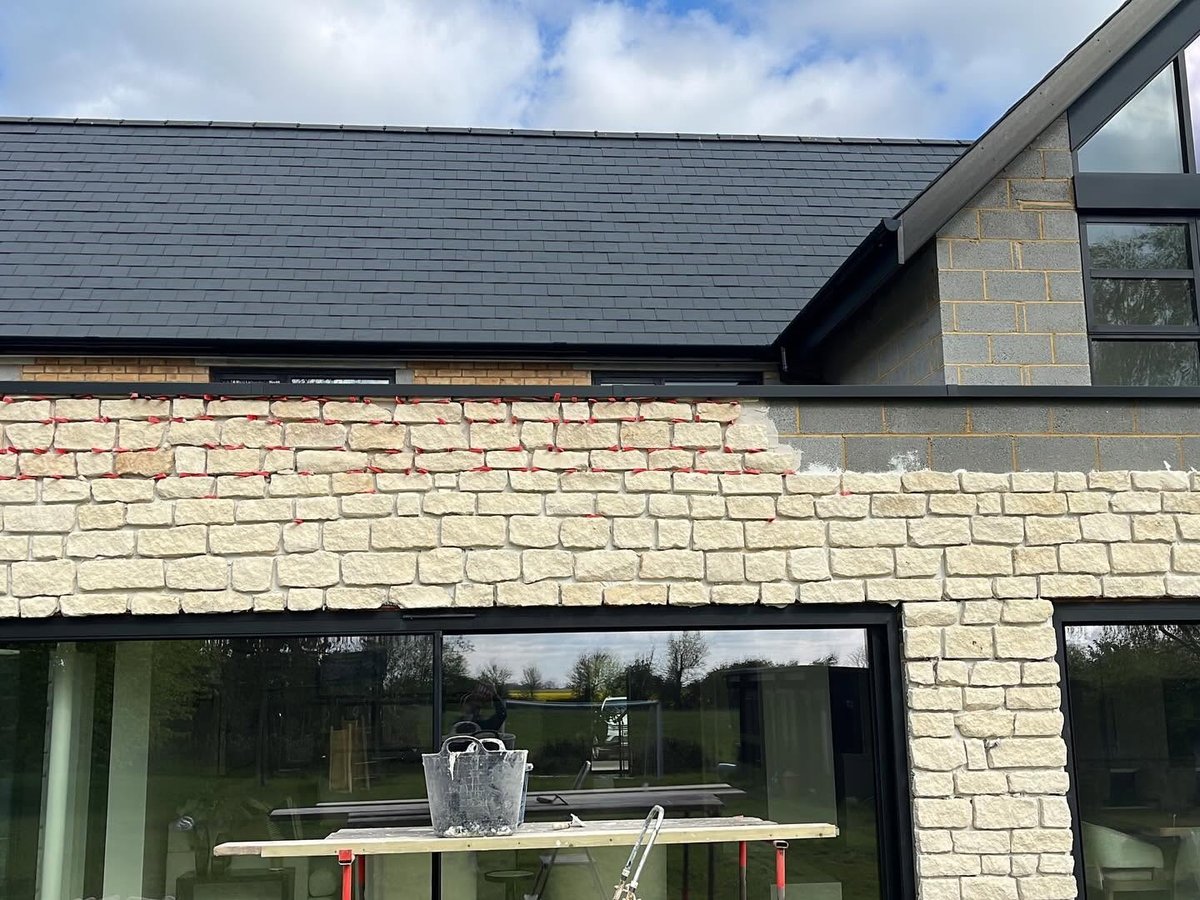
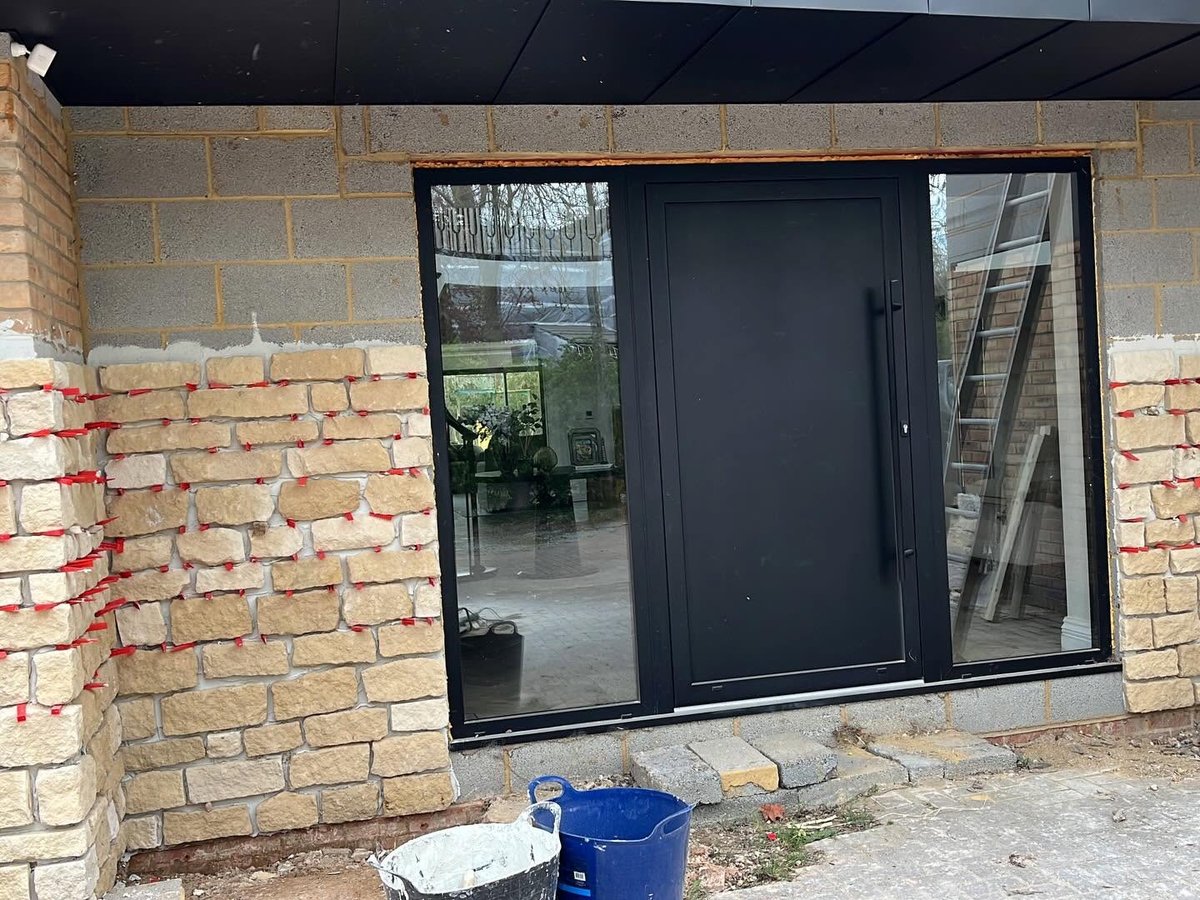
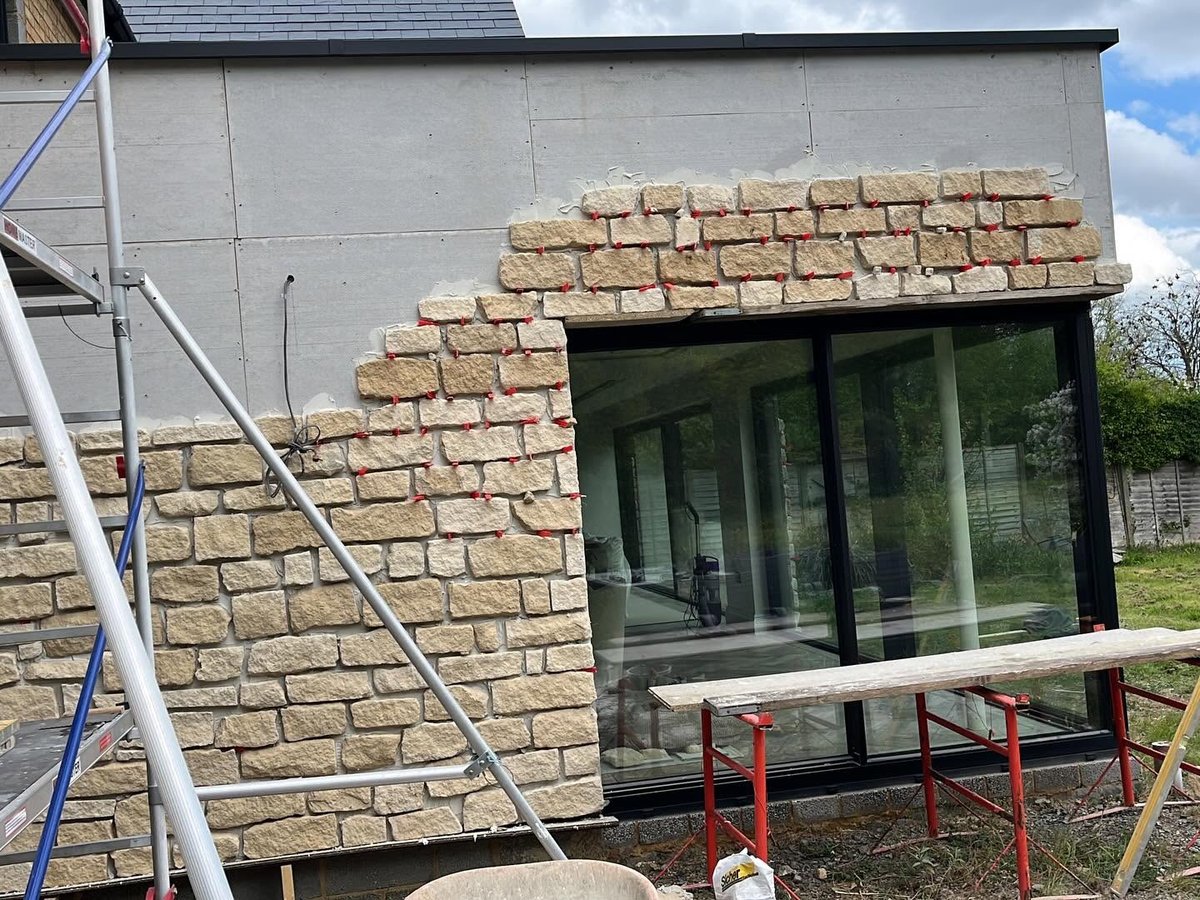
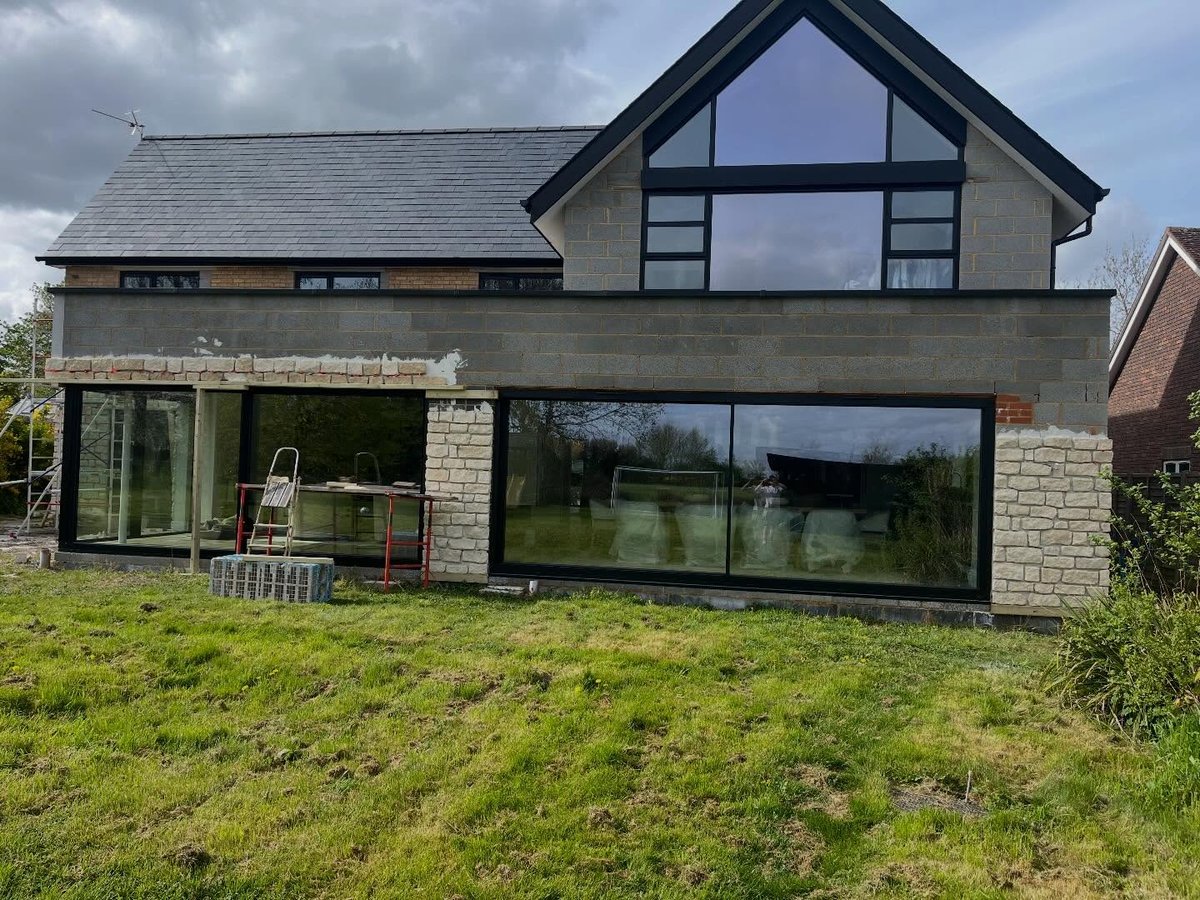
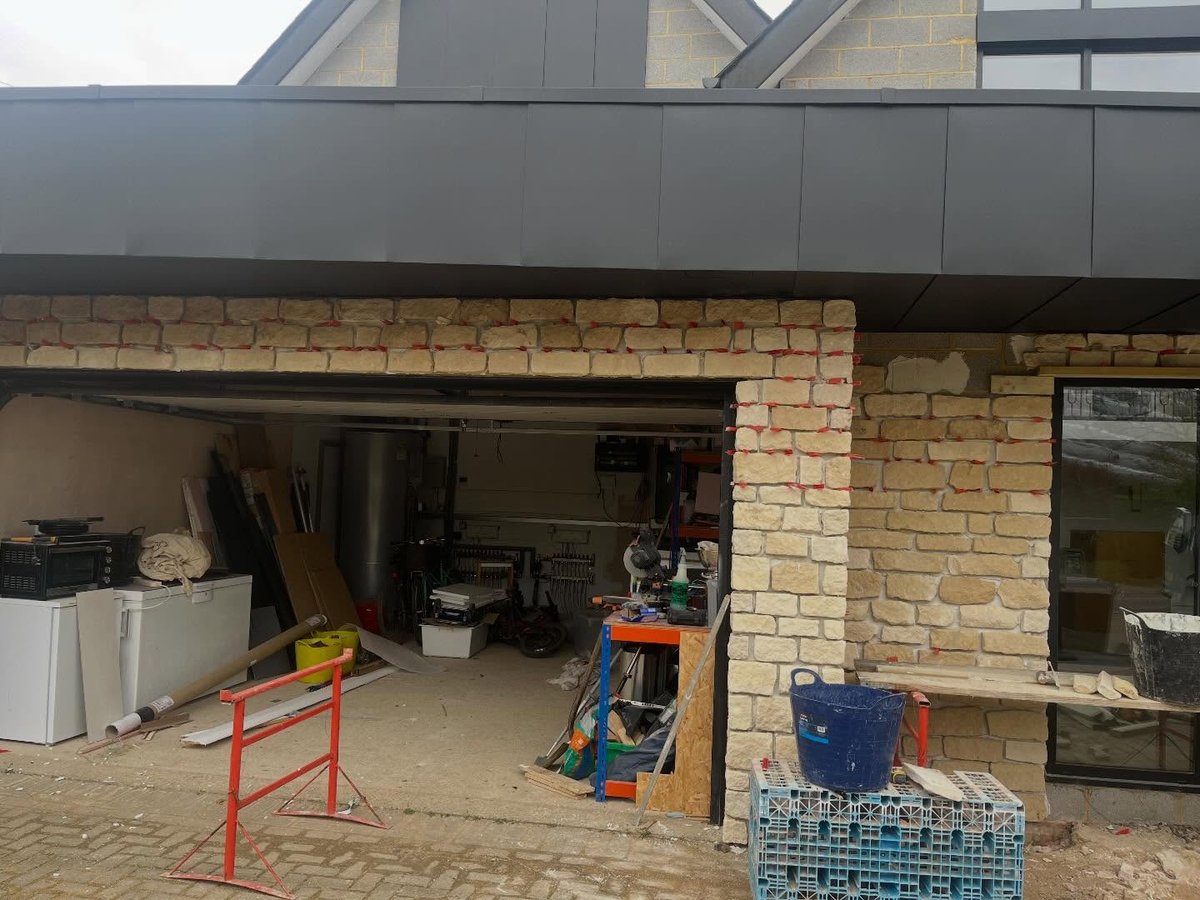
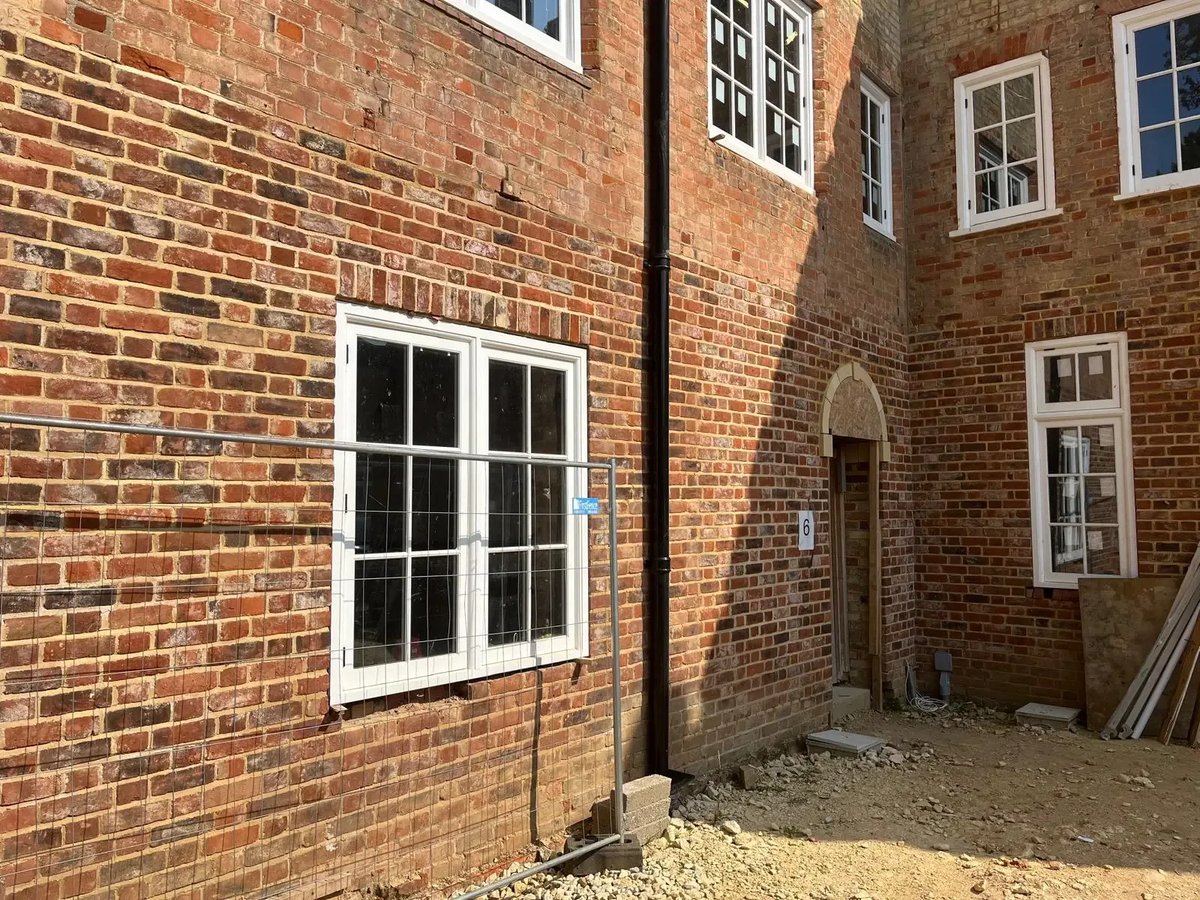
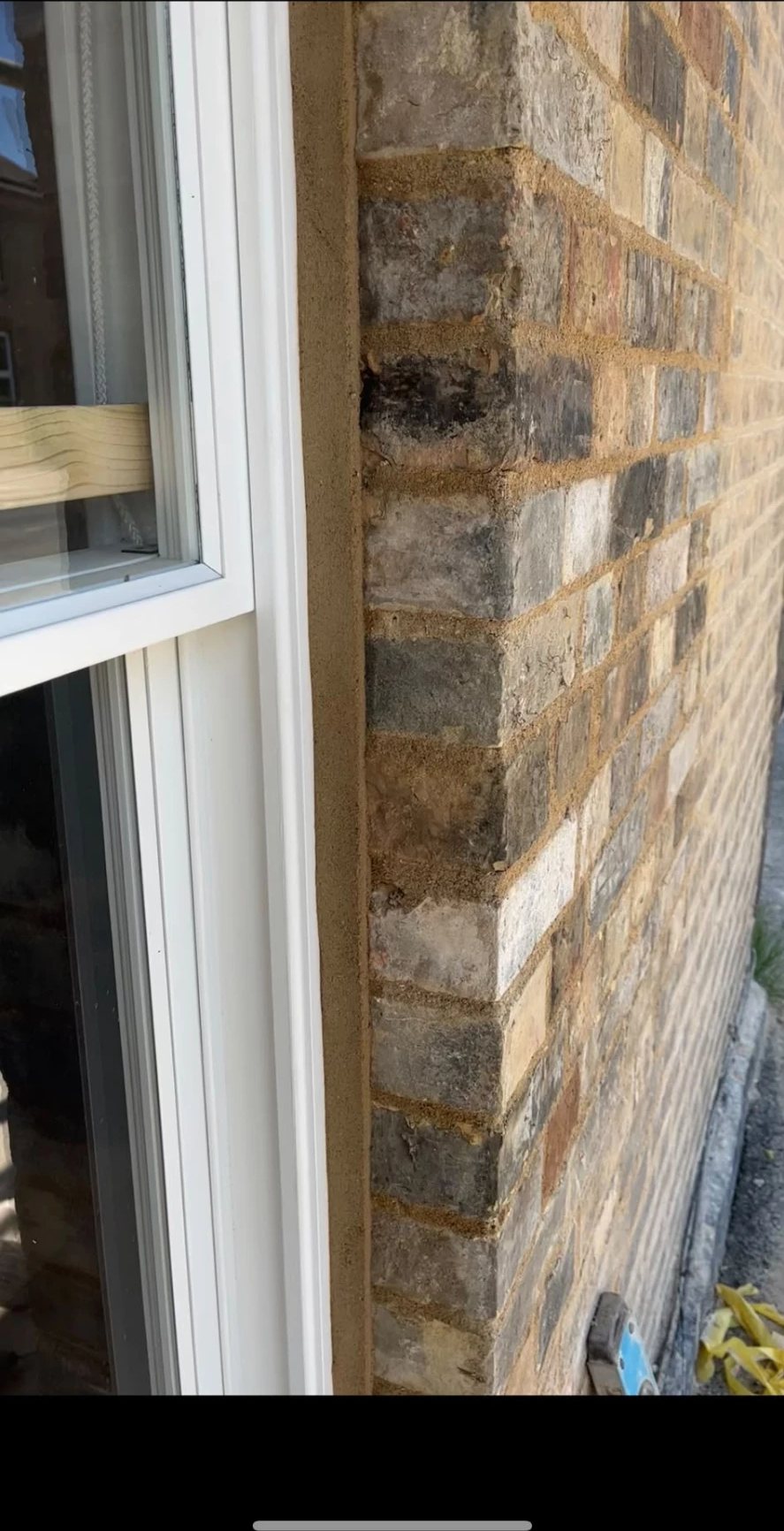
Recent re-pointing & stone slips work
The service
Pointing that matches the wall, not just the gap
- Homeowners with cracked, crumbling or badly cement-pointed brickwork
- Older or period properties needing lime mortar rather than cement
- Anyone wanting a natural stone slip finish on a wall, chimney breast or fireplace
- Extensions where new brickwork needs pointing to match the existing house
- Chimney stacks with failing pointing exposed to weather
- Self-builders specifying stone slip cladding as part of a new build
Re-pointing isn't a cosmetic job. The mortar joints in a wall are what let it breathe and move slightly with temperature and moisture, so the mortar used has to suit the brick or stone it sits between. Jack Prime has spent ten years on this kind of work, learning it from his dad Martin, who still works alongside him on every job rather than sending him out with a crew.
Prime Build Services carries out re-pointing on brick and stone walls where the existing mortar has failed, cracked, or was done in the wrong material to begin with, and fits natural stone slips to walls, chimney breasts and fireplace surrounds where a stone finish is wanted without the weight and cost of full stone blockwork. One recent job for Nick Watt covered 60 square metres of natural stone slips and lime pointing - the kind of scale where consistency across the whole area matters as much as the detail in any one joint.
A lot of pointing work done on older properties uses hard cement mortar because it's quicker and cheaper, and it causes real damage over time on soft or older brick and on natural stone. We use lime mortar where the wall calls for it, matched in colour and joint profile to what's there or to what's specified for new work.
We cover St Neots, Huntingdon, St Ives, Godmanchester, Cambourne, Cambridge, Sandy and Hemingford Grey, and work county-wide across Cambridgeshire plus into parts of Bedfordshire, Suffolk and Northamptonshire.
What it costs to leave it
Why pointing fails and why stone slip jobs go wrong
The single biggest cause of long-term brick and stone damage in this part of the country is cement mortar used where lime mortar was needed. Older brick and most natural stone are softer and more porous than modern engineering brick. Cement pointing is harder than the material either side of it, so instead of flexing and letting moisture pass through the joint and evaporate, it locks moisture into the brick or stone face. That moisture then has nowhere to go except through the face of the brick itself, which spalls, flakes and eventually crumbles - while the cement pointing, ironically, often looks fine.
Re-pointing done badly compounds the problem rather than fixing it. Smearing new mortar over old, failed pointing without raking out the old material first leaves a thin skin that debonds within a year or two. Proper re-pointing means raking out the old mortar to a consistent depth - usually two to two-and-a-half times the joint width - so the new mortar has something to key into and enough depth to do its job.
Joint profile matters more than most people expect. A recessed joint reads completely differently to a bucket-handle or flush joint on the same wall, and using the wrong profile against a period property can look wrong even when the mortar itself is fine. We match the existing profile unless there's a good reason to change it.
Stone slip work has its own failure points. Slips need a substrate that's sound and properly prepared, an adhesive or mechanical fixing system suited to the slip weight and the wall it's going onto, and pointing between slips that's consistent in width and colour across the whole area - inconsistency across 60 square metres is far more visible than across one square metre.
Mistakes we get called out to fix
- Cement mortar used on soft brick or natural stone, trapping moisture and causing spalling
- New mortar smeared over old failed pointing instead of properly raked out first
- Raking not done to sufficient or consistent depth
- Wrong joint profile used for the age and style of the building
- Stone slips fixed without checking substrate condition first
- Inconsistent joint width or mortar colour across a large stone slip area
How the job runs
A set order of work,
start to finish
Step 1
Survey the existing pointing or wall
Jack looks at the current mortar, brick or stone condition, and identifies what's caused the failure before deciding on lime or another mix.
Step 2
Agree scope and finish
For re-pointing, joint profile and mortar colour are agreed. For stone slips, the stone type, coursing pattern and pointing style are chosen.
Step 3
Pricing and agreement
A clear price is given based on the area involved and the work agreed, before any raking out or fixing starts.
Step 4
Raking out
Old, failed mortar is raked out to a consistent depth across the whole area, and the joints and brick or stone face are cleaned down.
Step 5
Pointing or fixing
Lime mortar is pointed into the raked joints to the agreed profile, or stone slips are fixed to a prepared substrate and pointed as they go.
Step 6
Finish and check
The finished area is checked for consistency of joint width, colour and profile across the whole wall, and the site is cleared.
What you get
What the work gives you
once we're off site
Lime mortar where it's needed
We use lime mortar on brick and stone that needs to breathe, rather than defaulting to cement because it's faster to work with.
Proper raking out, not a skim coat
Old mortar is raked to a consistent depth before repointing so the new mortar bonds properly rather than sitting as a thin surface layer.
60 sq m stone slip job on record
Recent work for Nick Watt covered 60 square metres of natural stone slips and lime pointing, carried out with consistent detail across the whole area.
Ten years' experience
Jack has worked this trade for a decade, taught by his dad Martin, who still works alongside him on site.
£2 million insurance cover
All re-pointing and stone slip work is carried out under £2 million public and employers' liability insurance.
6-month workmanship guarantee
Completed work is covered by a 6-month guarantee against defects.
In detail
What re-pointing and stone slip work involves
These two jobs are often specified together but involve different skills and materials. Here's what each part of the work covers.
Raking out
Old mortar is removed to a consistent depth, typically two to two-and-a-half times the joint width, using tools suited to the brick or stone so the edges of the joint aren't damaged in the process.
Lime mortar mix
Lime mortar is more breathable and more flexible than cement, letting moisture move through the joint rather than getting trapped behind the brick or stone face. The exact mix and lime type is chosen to suit the material it's going against.
Cement vs lime damage
Cement pointing on soft brick or natural stone locks moisture in, so the brick or stone face spalls and crumbles over years while the pointing itself often looks intact. This is one of the most common and most avoidable causes of long-term fabric damage on older buildings.
Joint profiles
Bucket-handle, flush, recessed and weathered joints each give a different appearance and a different level of weather resistance. We match the existing profile on repair work, or agree a profile that suits the building on new work.
Colour matching
Mortar colour is affected by the sand and lime used in the mix. We match existing mortar colour where re-pointing an existing wall, checking a sample area before doing the full wall.
Natural stone slips
Stone slips give the appearance of full stone cladding at a fraction of the weight and thickness, fixed to a prepared wall or substrate with a suitable adhesive or mechanical fixing system. They're used on feature walls, chimney breasts, fireplace surrounds and external elevations.
Substrate preparation
Before slips go up, the substrate is checked for soundness and evenness. A poorly prepared substrate is the most common cause of slips debonding or sitting unevenly later on.
Coursing and pattern
Stone slips can be laid in a random, coursed or ashlar pattern depending on the look wanted. The pattern is set out before fixing starts so the finished wall reads consistently rather than being adjusted piece by piece.
Pointing between slips
Joint width and mortar colour between stone slips is kept consistent across the whole area, which is what made the 60 square metre job for Nick Watt work as a single, coherent finish rather than a patchwork.
Weatherproofing
External stone slip work and re-pointing both need attention to how water runs off the finished wall, particularly at cills, copings and junctions with other materials, so water is shed rather than sitting against the new finish.
Common questions
Re-pointing & stone slips:
straight answers
Why use lime mortar instead of cement?
Lime mortar is more breathable and flexible than cement, so it lets moisture move through the joint instead of trapping it behind the brick or stone face. On older or softer brick, cement pointing causes the brick to spall and crumble over time.
How deep do you rake out old pointing?
Typically to around two to two-and-a-half times the joint width, so the new mortar has a solid depth to key into rather than sitting as a thin skin over the old material.
Can you match the joint profile on my existing brickwork?
Yes, we look at the existing profile - bucket-handle, flush, recessed or weathered - and match it unless you want to change the look of the wall.
What is the 60 sq m stone slip job you've done?
That was a job for Nick Watt covering 60 square metres of natural stone slips with lime pointing, carried out with consistent joint width and colour across the whole area.
Are stone slips as strong as real stone cladding?
Stone slips are a genuine natural stone finish, just thinner and lighter than full stone blockwork, fixed to a prepared substrate. Correctly fitted, they give a stone appearance without the structural load of full stone.
Can stone slips be used on a fireplace surround?
Yes, stone slips are commonly used on fireplace surrounds and chimney breasts as well as external walls.
How do I know if my current pointing is cement or lime?
Jack can assess this on a site visit - cement pointing tends to be harder, greyer and often shows spalling brick around it, while lime pointing is softer and more porous.
Do you re-point chimney stacks?
Yes, chimney pointing takes more weathering than most brickwork on a house, so it's a common re-pointing job for us.
What areas do you cover for re-pointing and stone slips?
St Neots, Huntingdon, St Ives, Godmanchester, Cambourne, Cambridge, Sandy, Hemingford Grey and Cambridgeshire county-wide, plus parts of Bedfordshire, Suffolk and Northamptonshire.
Is this work covered by your guarantee?
Yes, re-pointing and stone slip work carries our 6-month workmanship guarantee, and is carried out under £2 million public and employers' liability insurance.
Related work
Often booked alongside
Where we work
Re-pointing & stone slips across Cambridgeshire
- St Neots
- Huntingdon
- St Ives
- Godmanchester
- Cambourne
- Cambridge
- Sandy
- Hemingford Grey
- Cambridgeshire
- Bedfordshire
- Suffolk
- Northamptonshire
Based at 11a St Mary's Street, St Neots. See the full list of areas we cover.
Next step
Get your pointing or stone slip job looked at
Call Jack on 07482 244276, answered 24 hours, or send details of the wall or area you need working on and he'll arrange a visit.
Open 24 hours, 7 days a week · £2 million insured · 6-month workmanship guarantee