
Brickwork & bricklayingin St Neots and across Cambridgeshire
Garden and boundary walls, brick piers, new chimneys and brickwork repairs, laid to the right bond with matched brick and a damp-proof course where it's needed.
£2 million insured. 6-month workmanship guarantee. Answered 24 hours.
5.0 from 36 reviews
100% recommended on Facebook
10 years in the trade
Jack on site daily
£2 million insured
Public & employers' liability
Phone open 24 hours
6-month workmanship guarantee
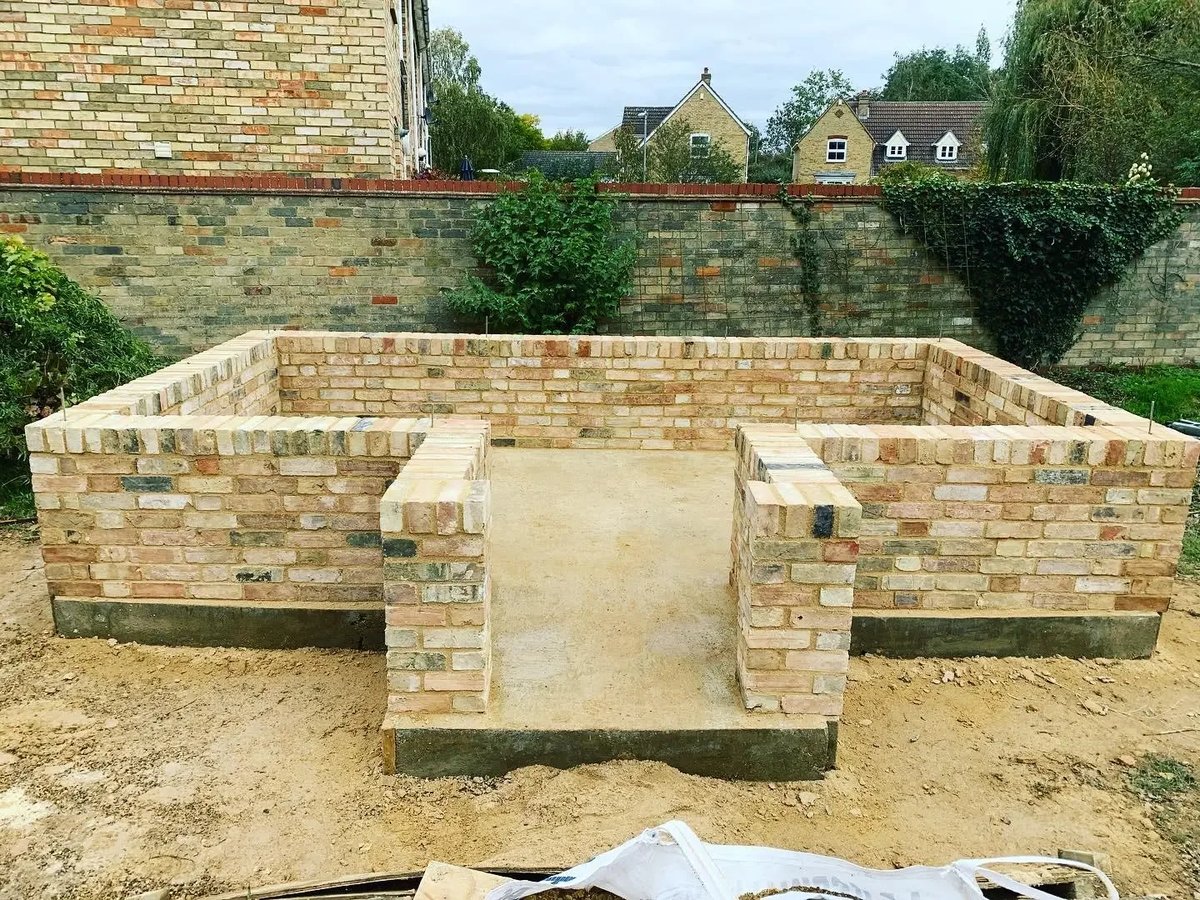
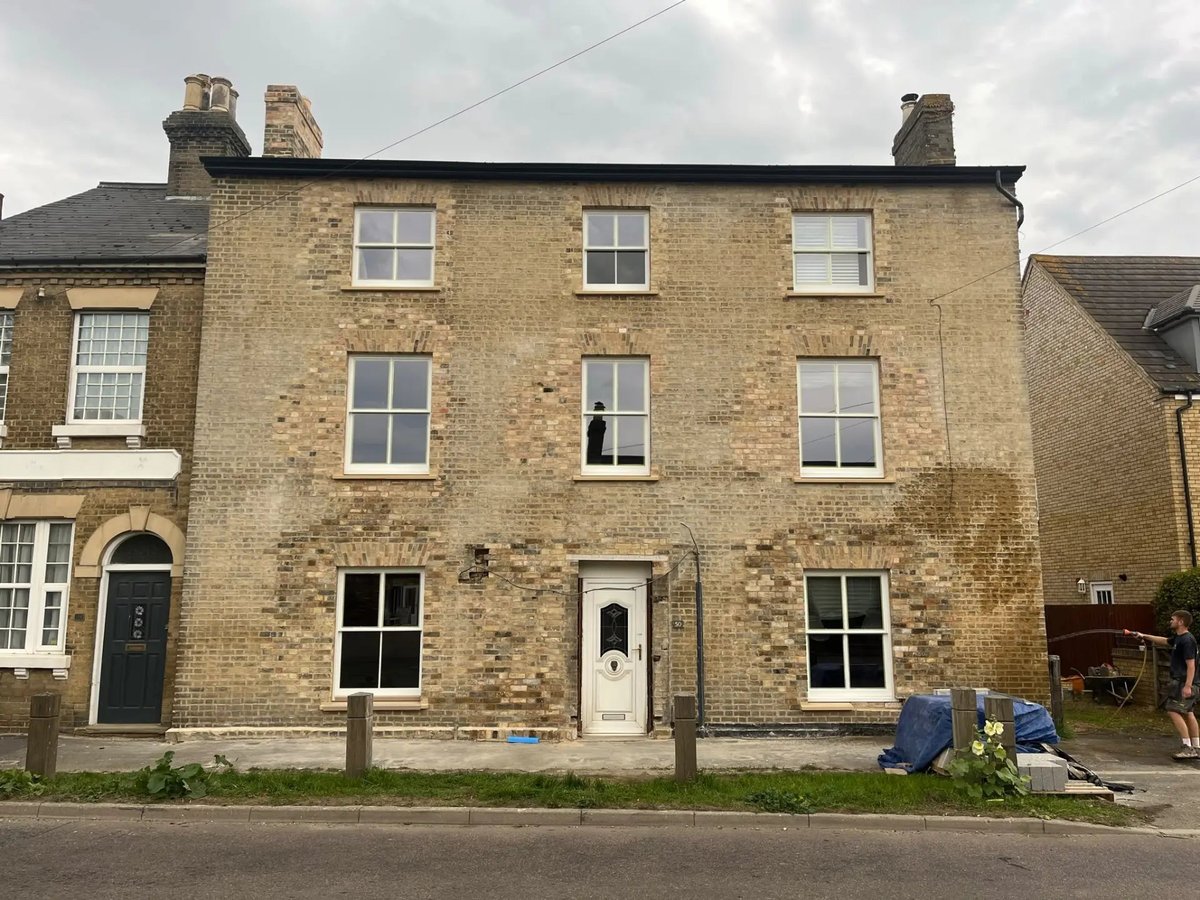
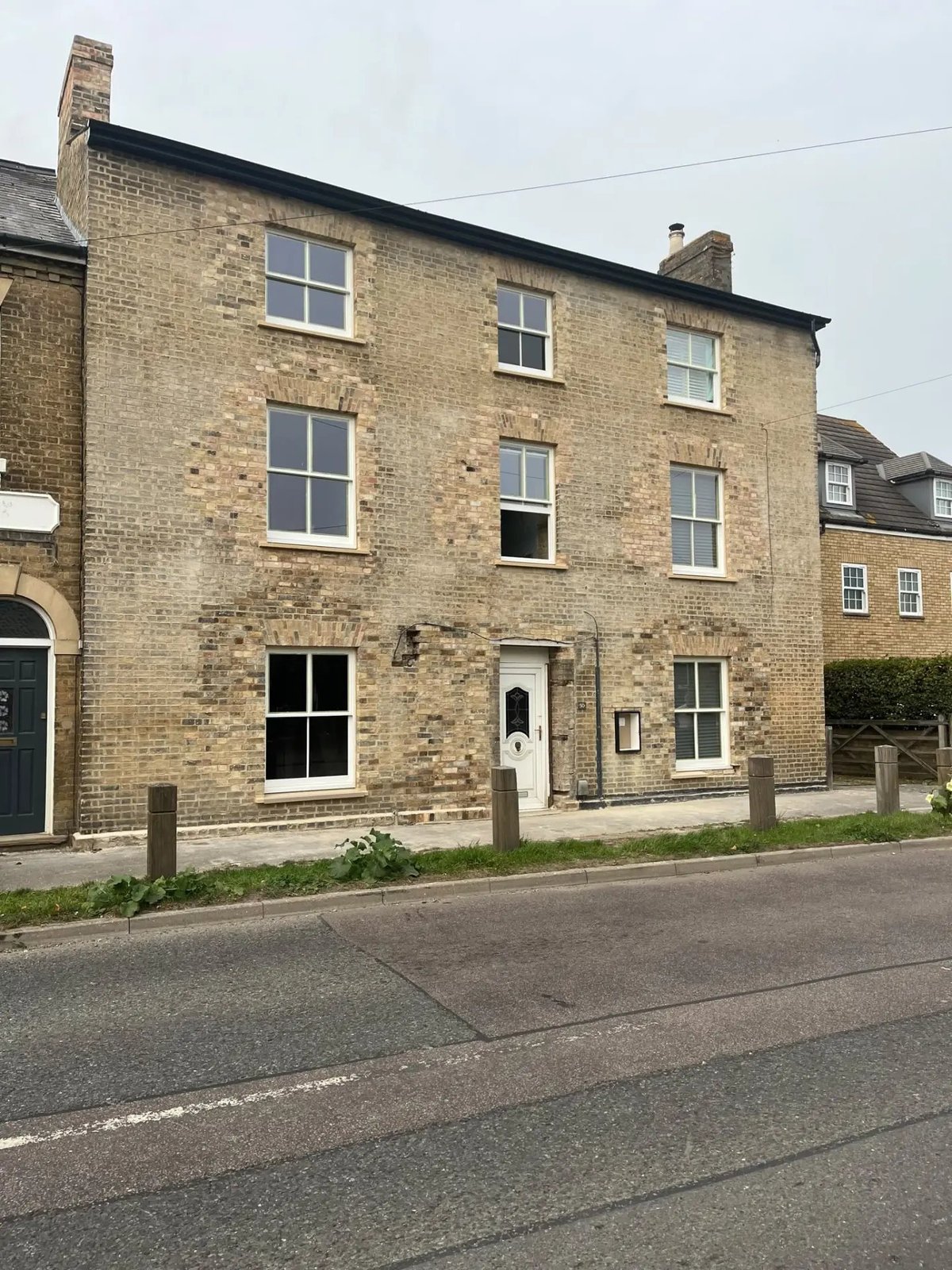
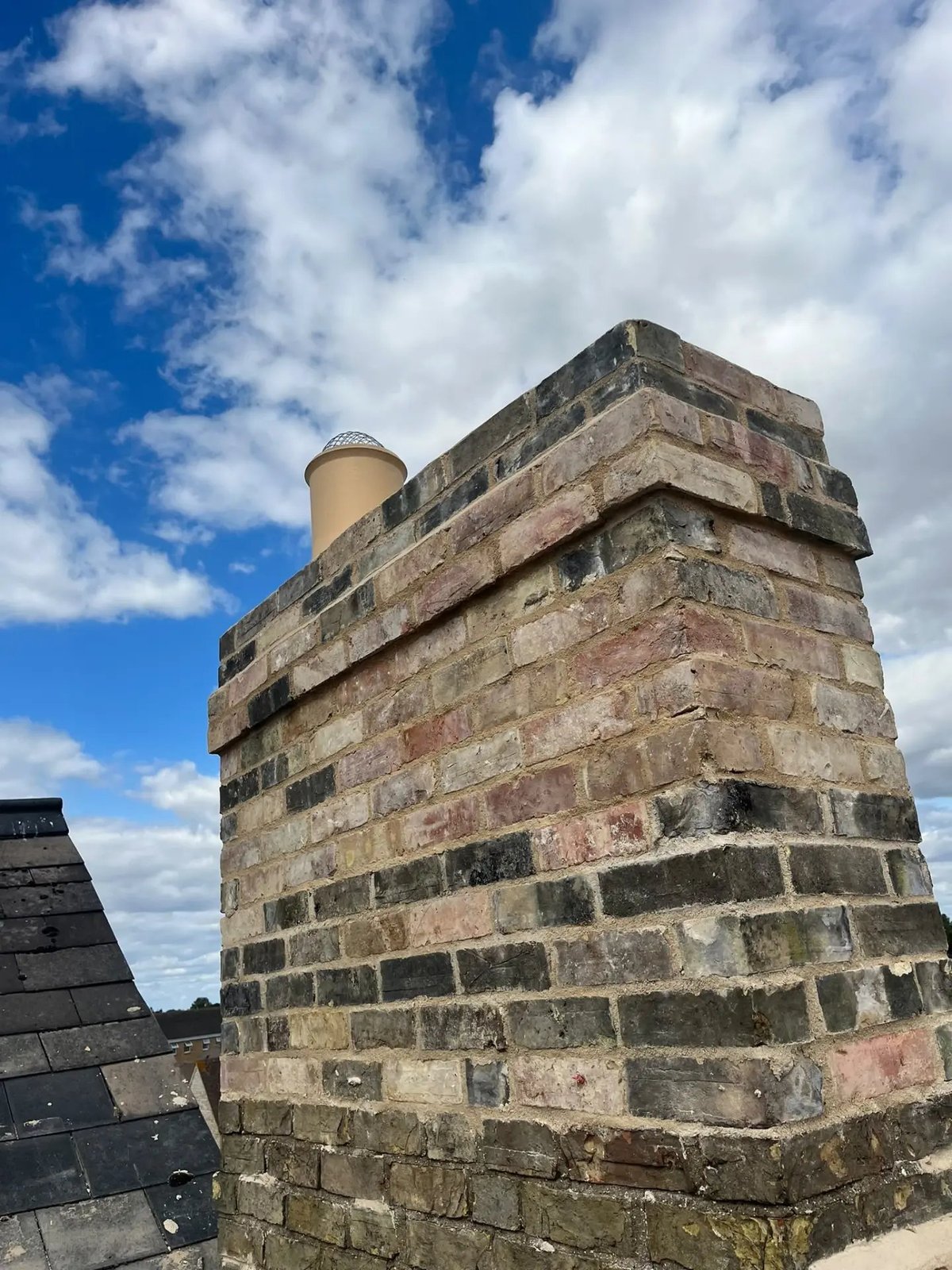
Recent brickwork & bricklaying work
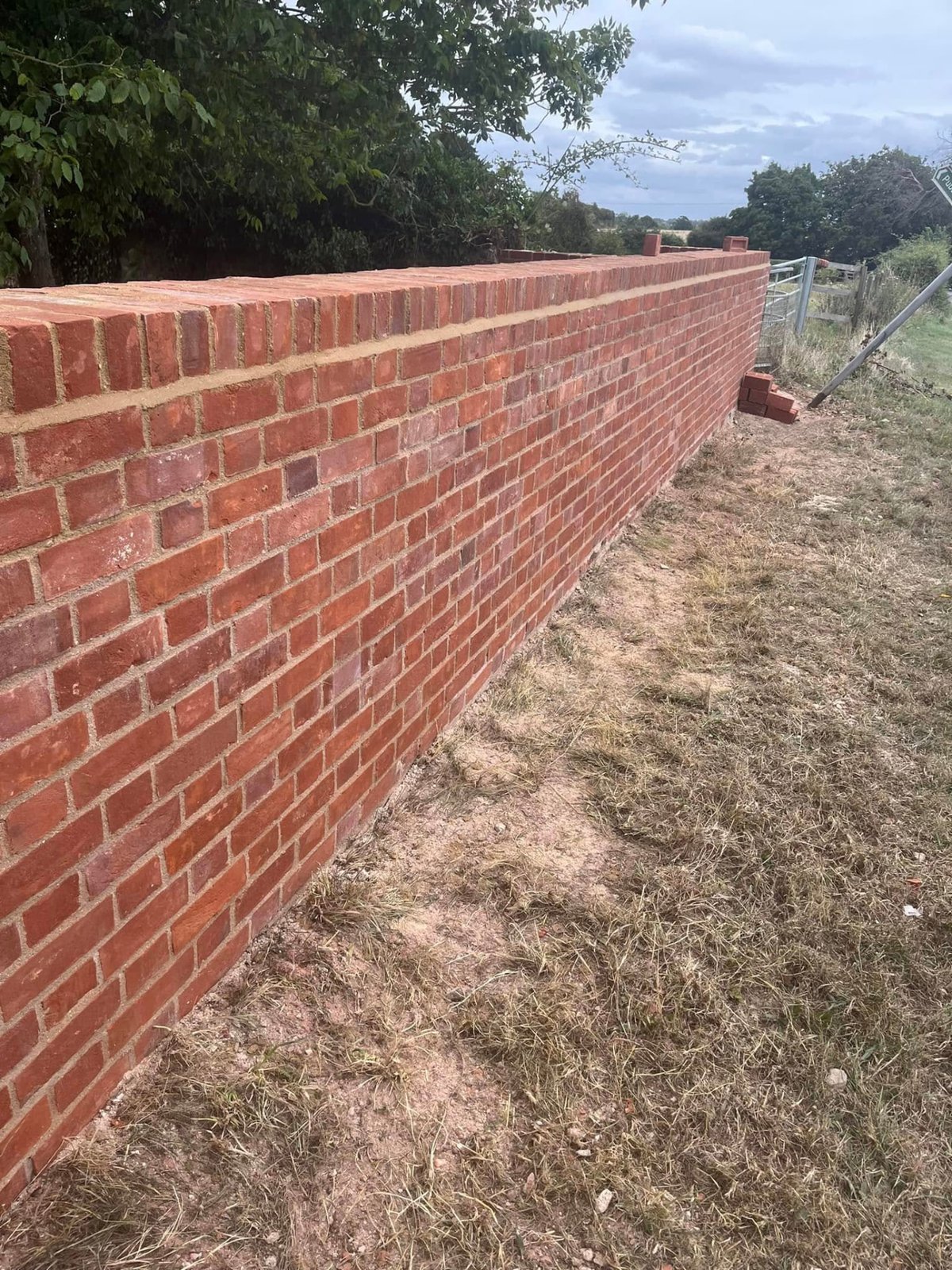
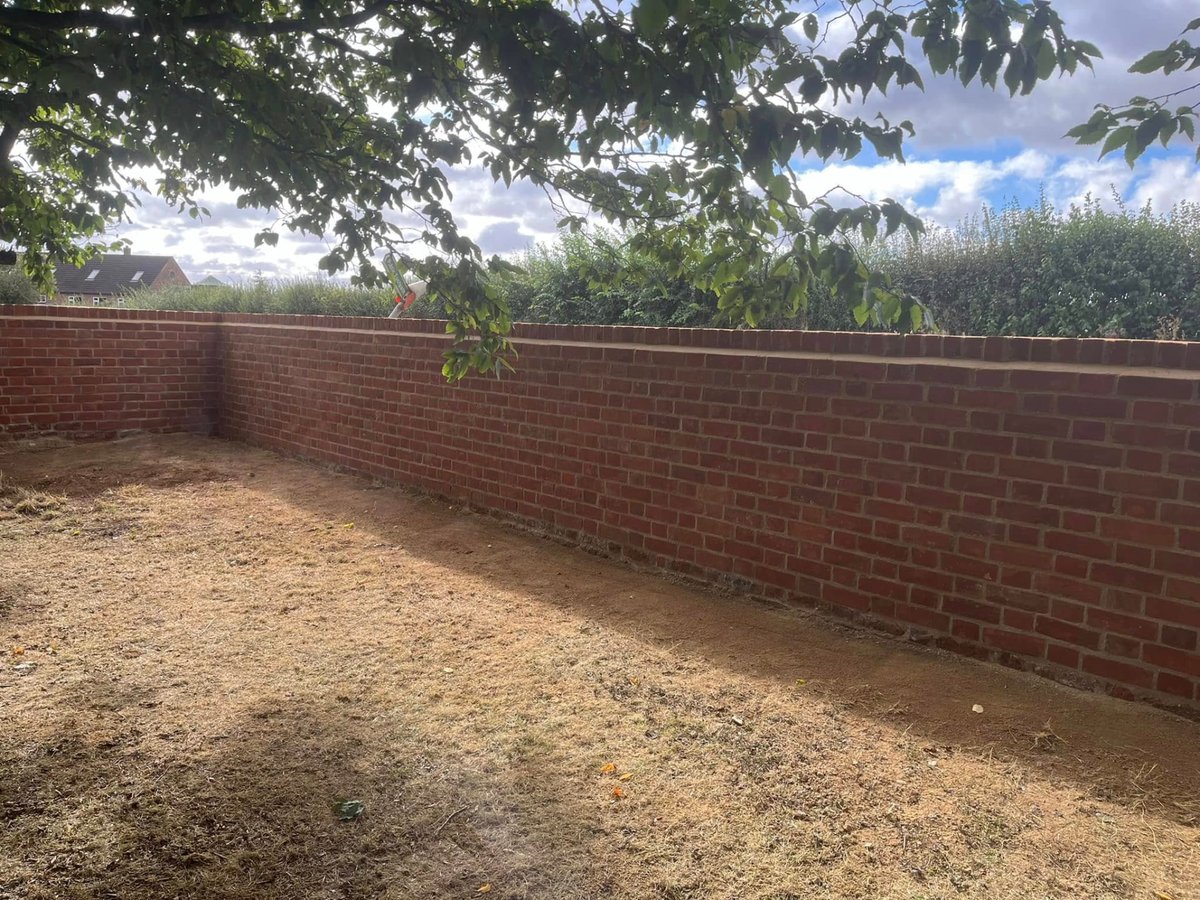
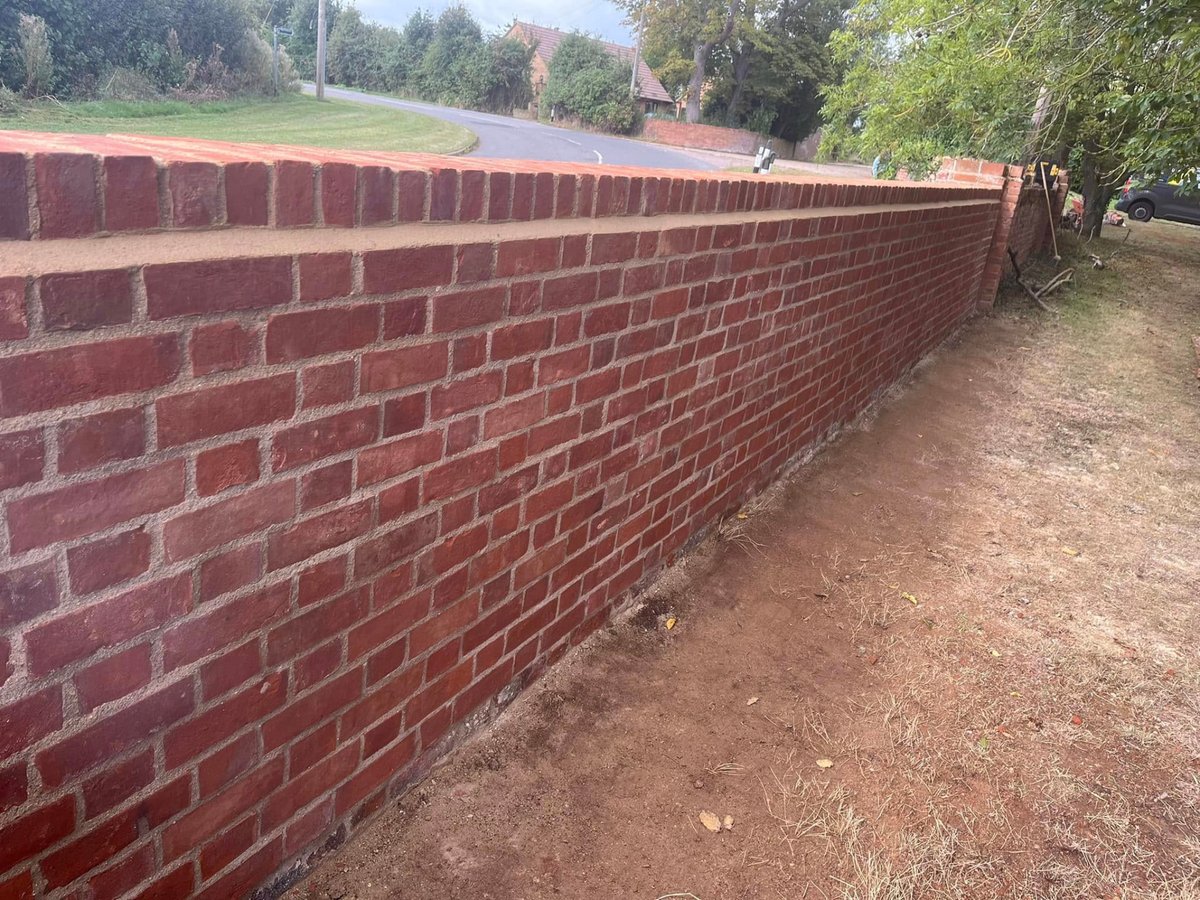
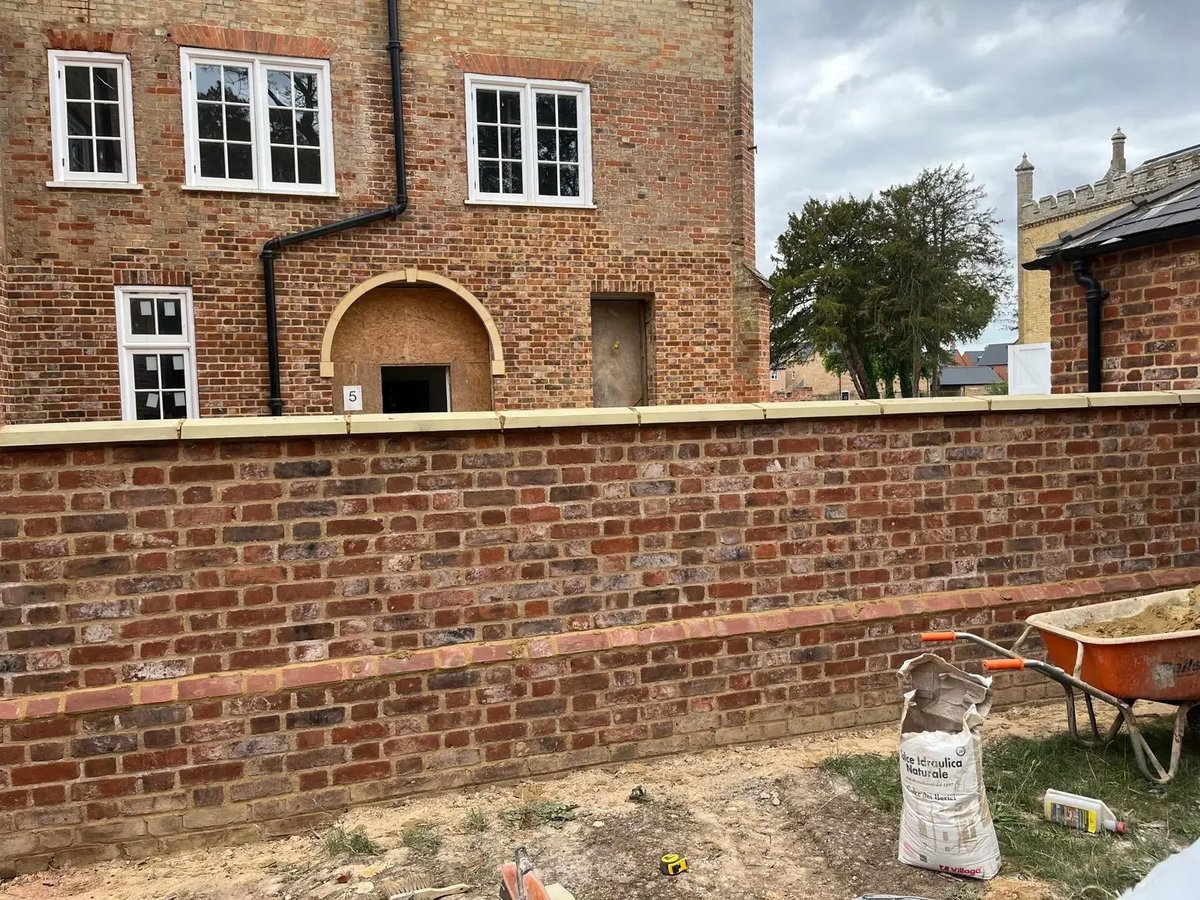
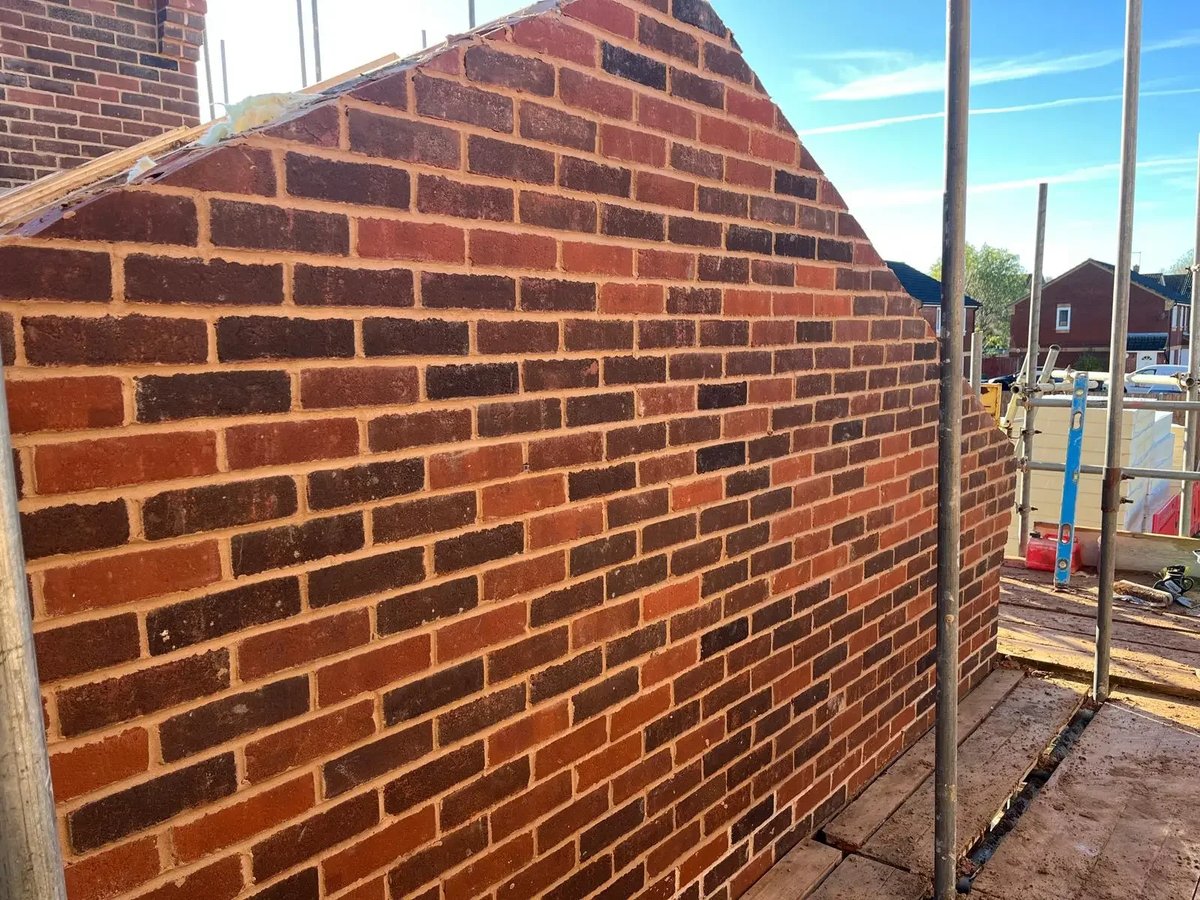
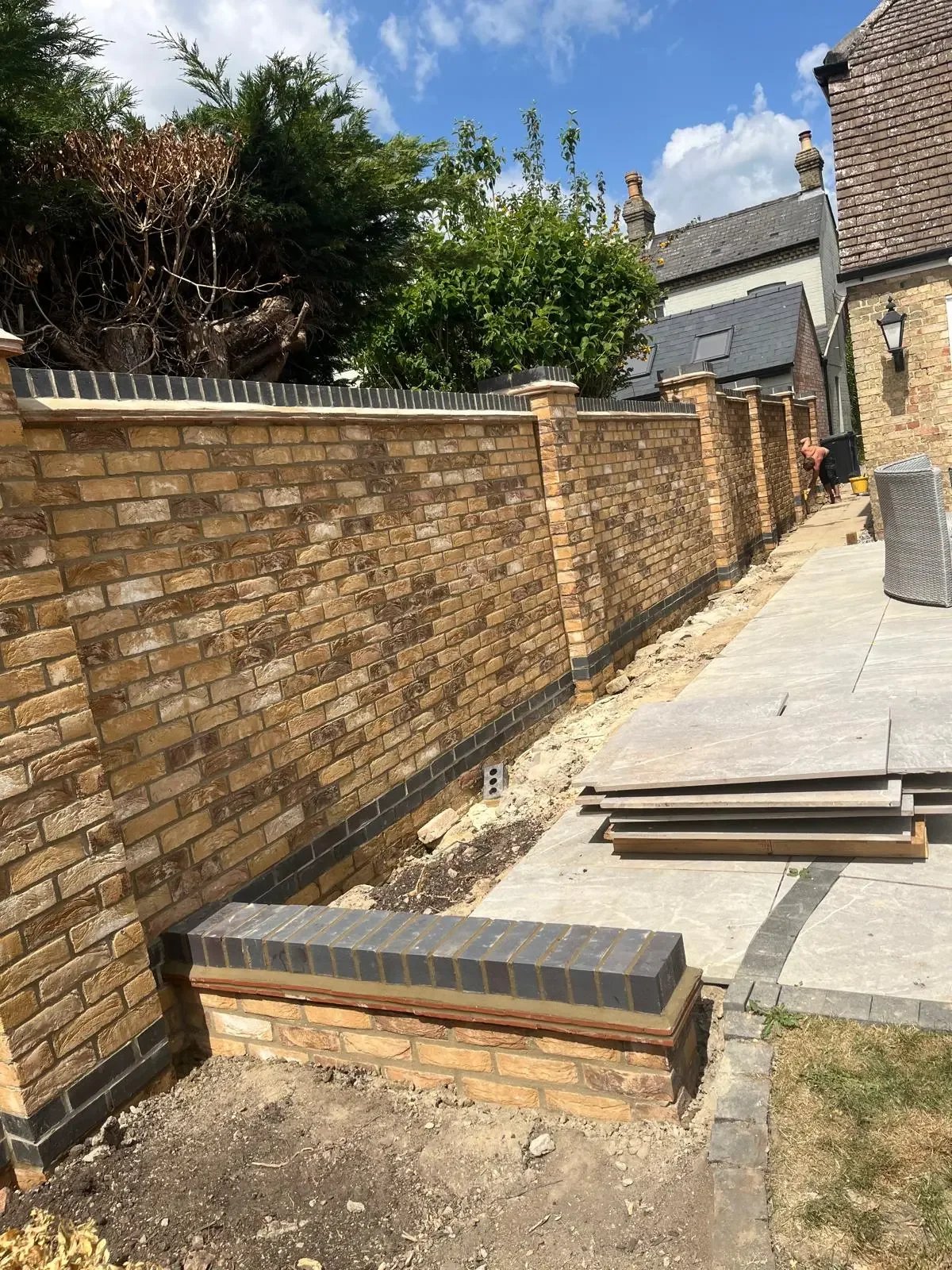
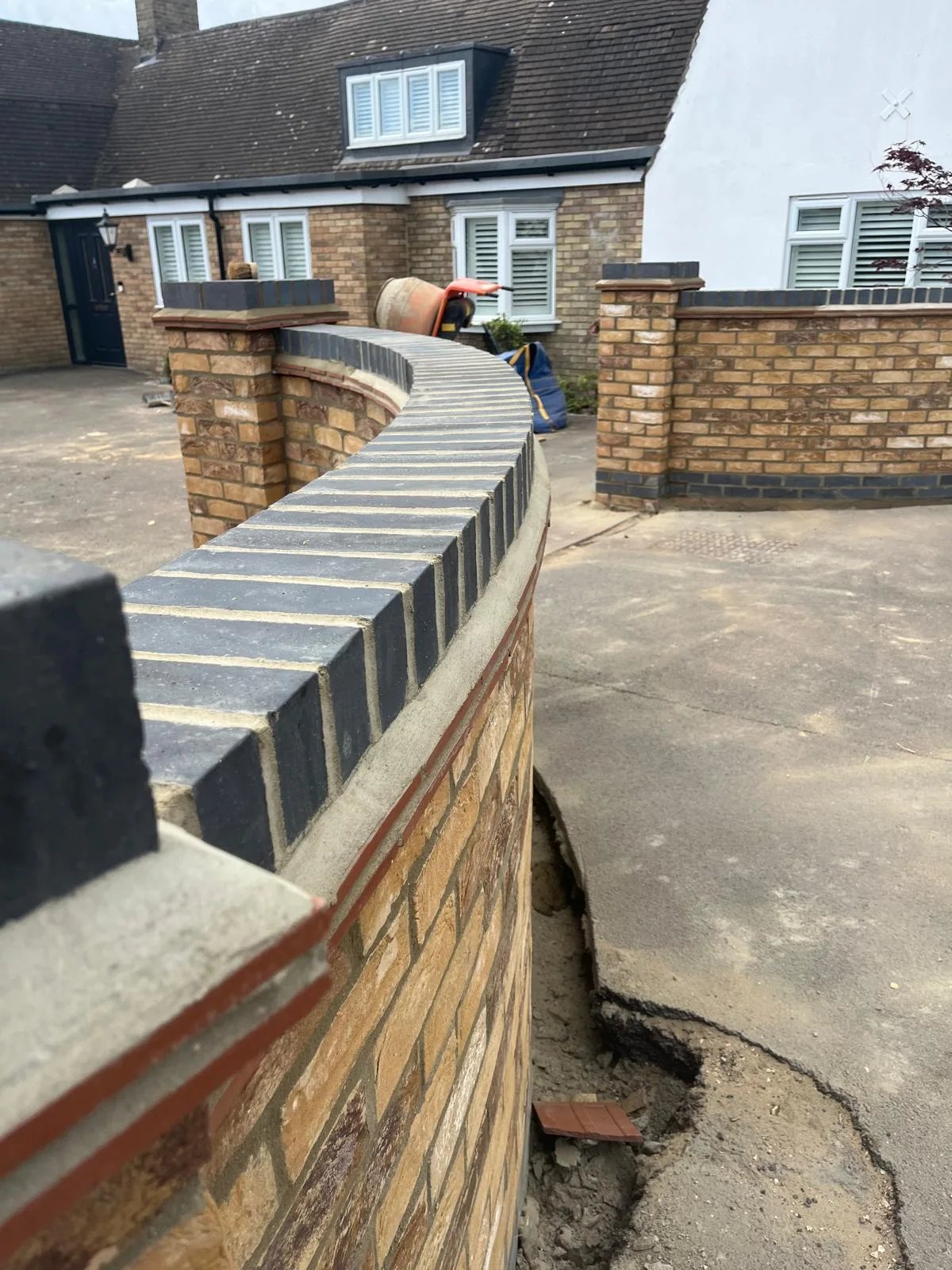
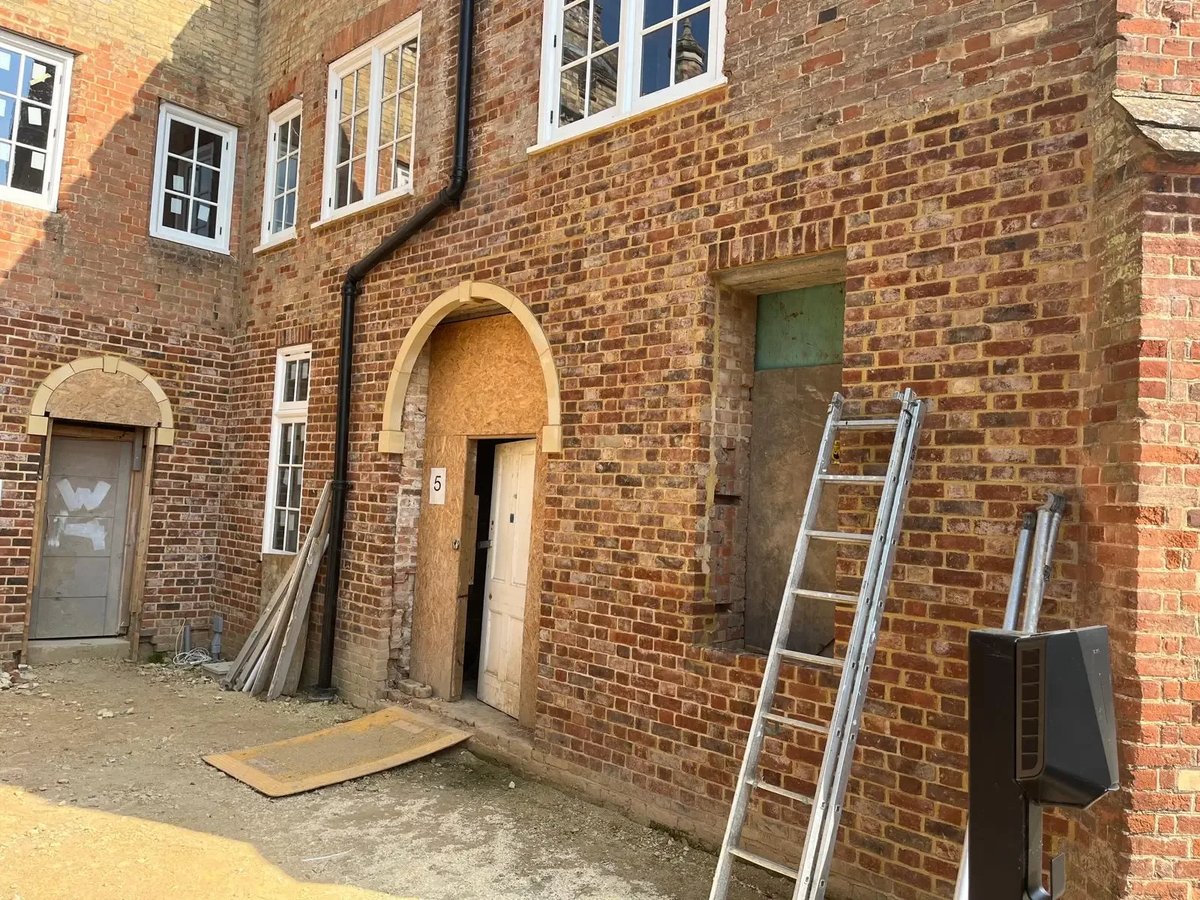
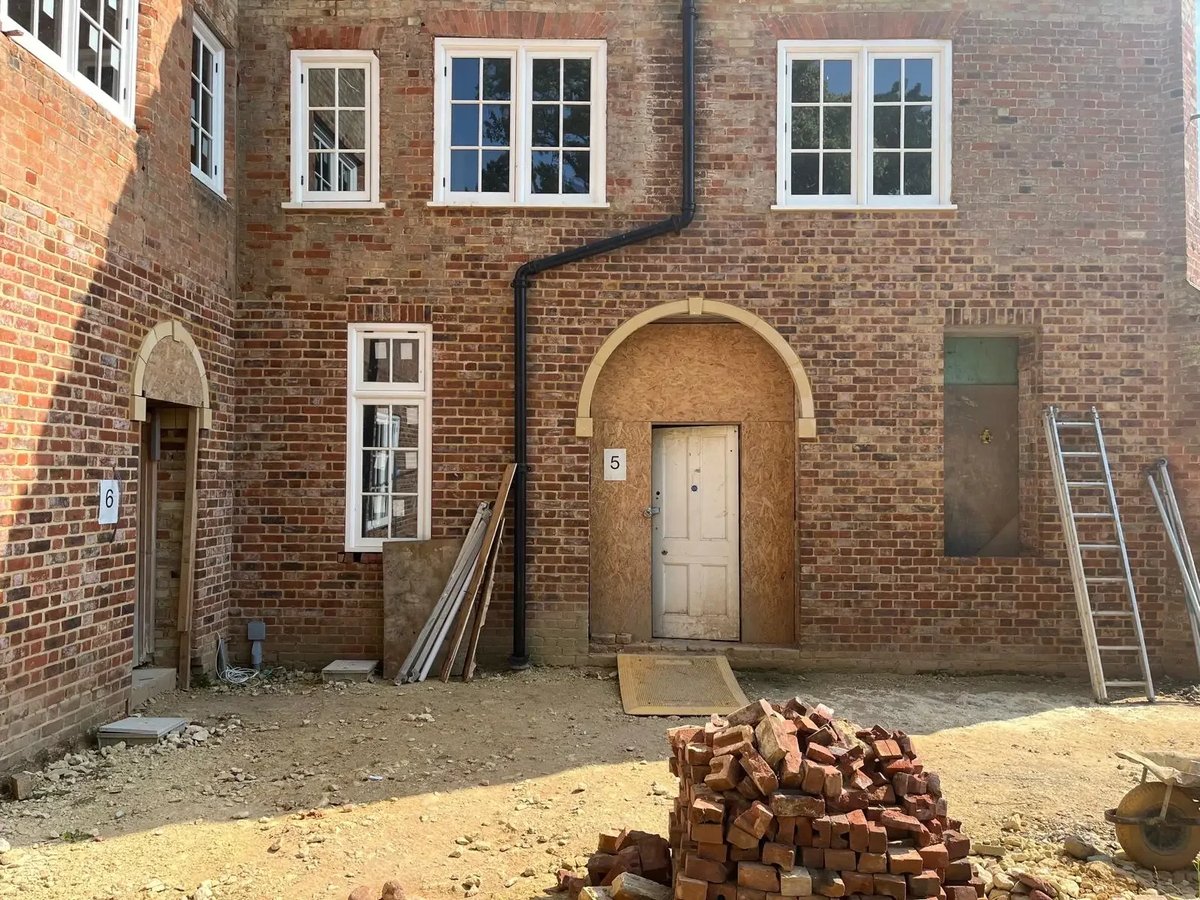
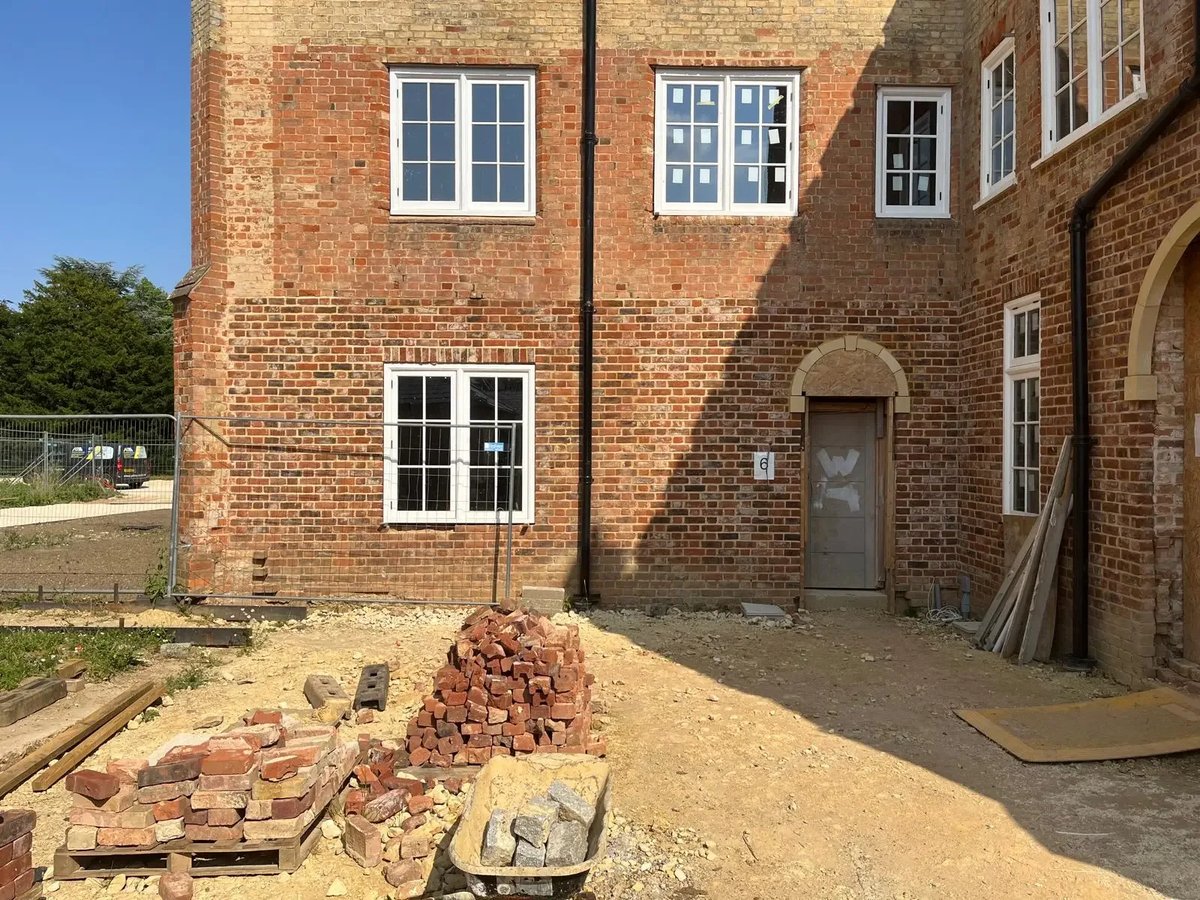
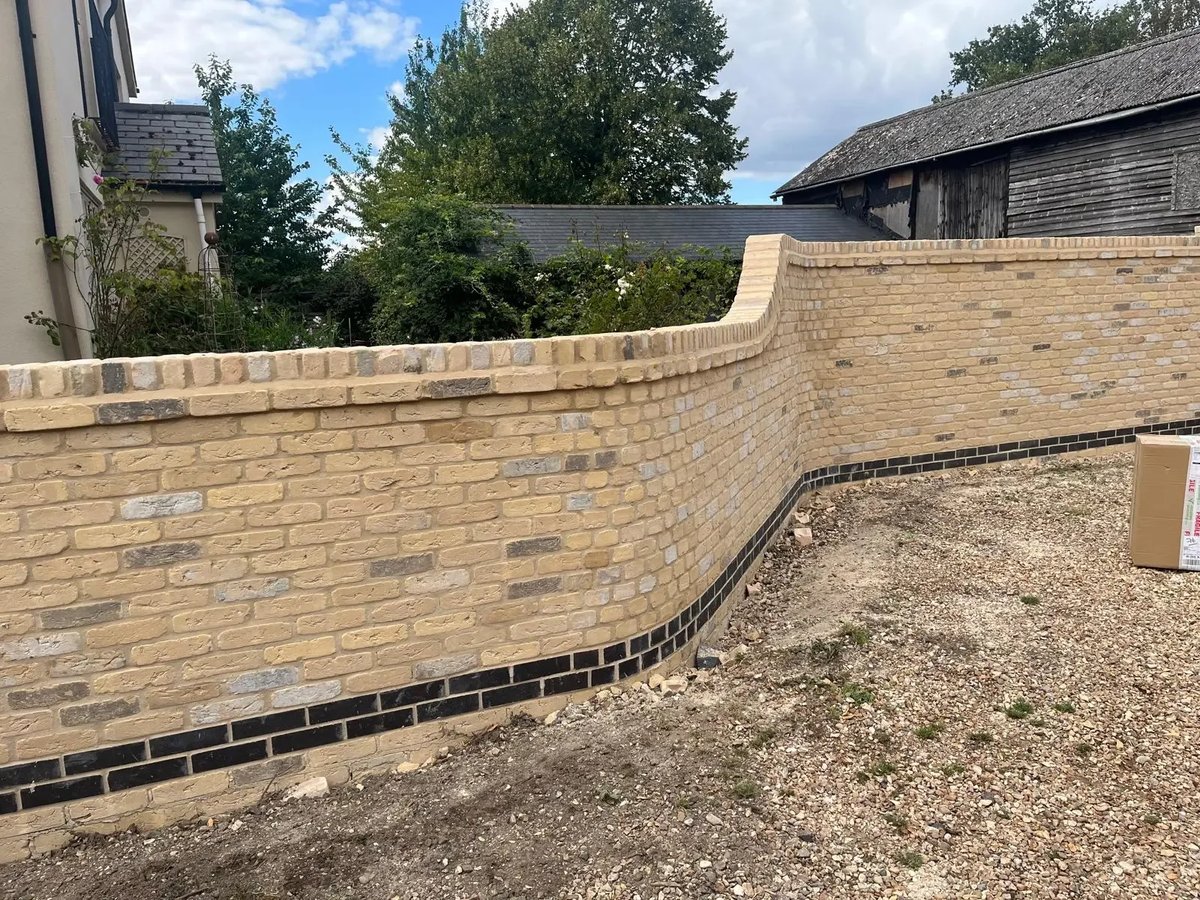
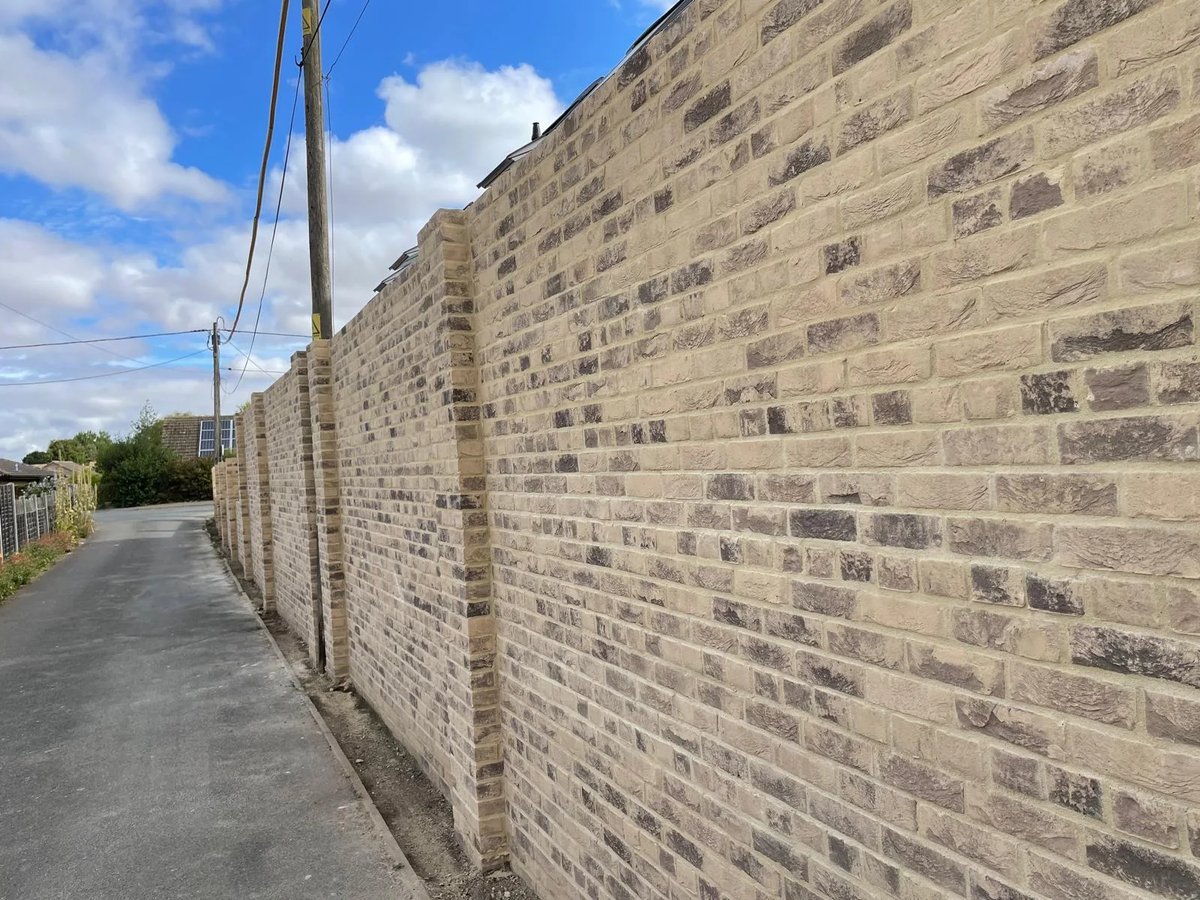
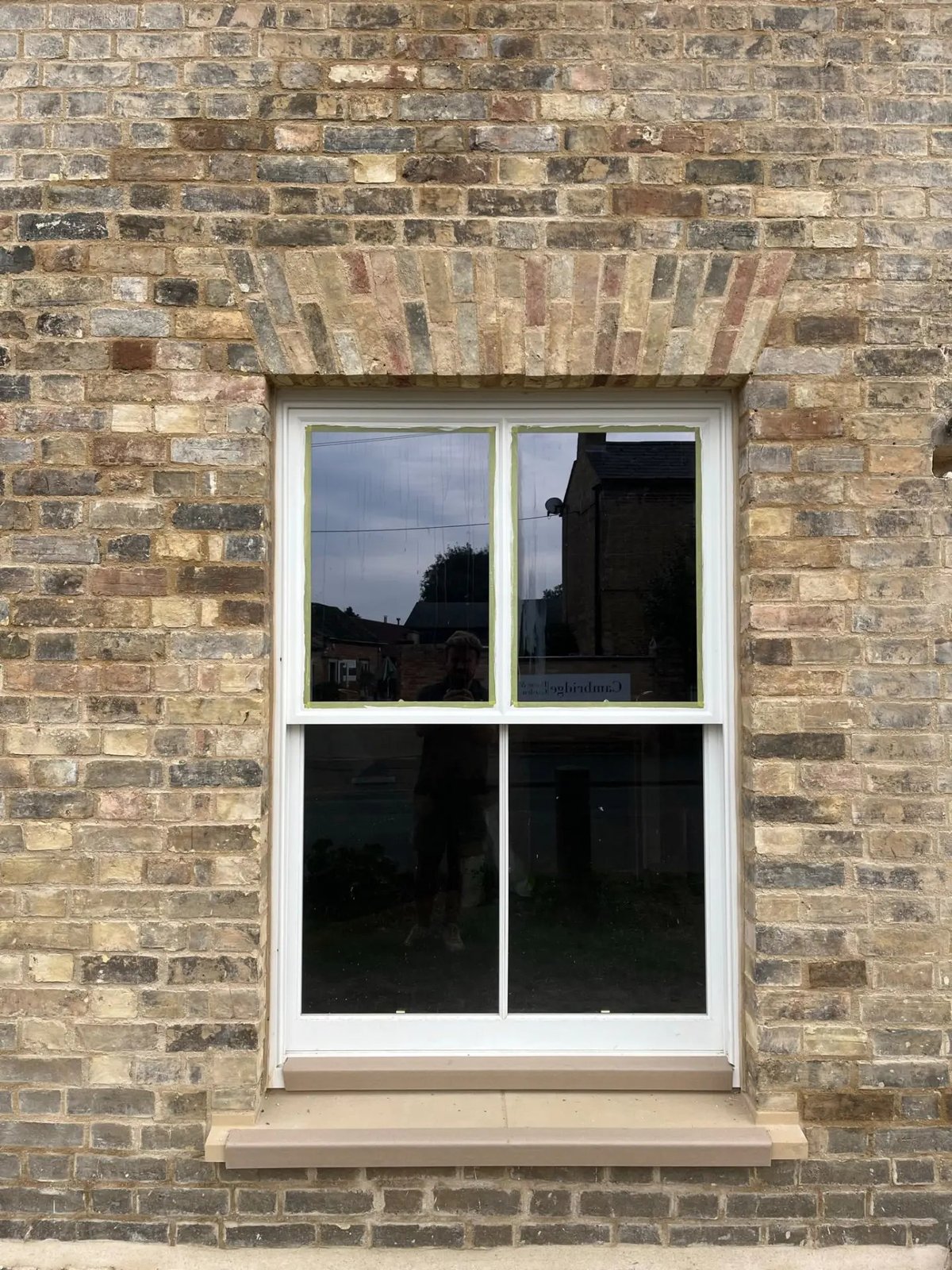
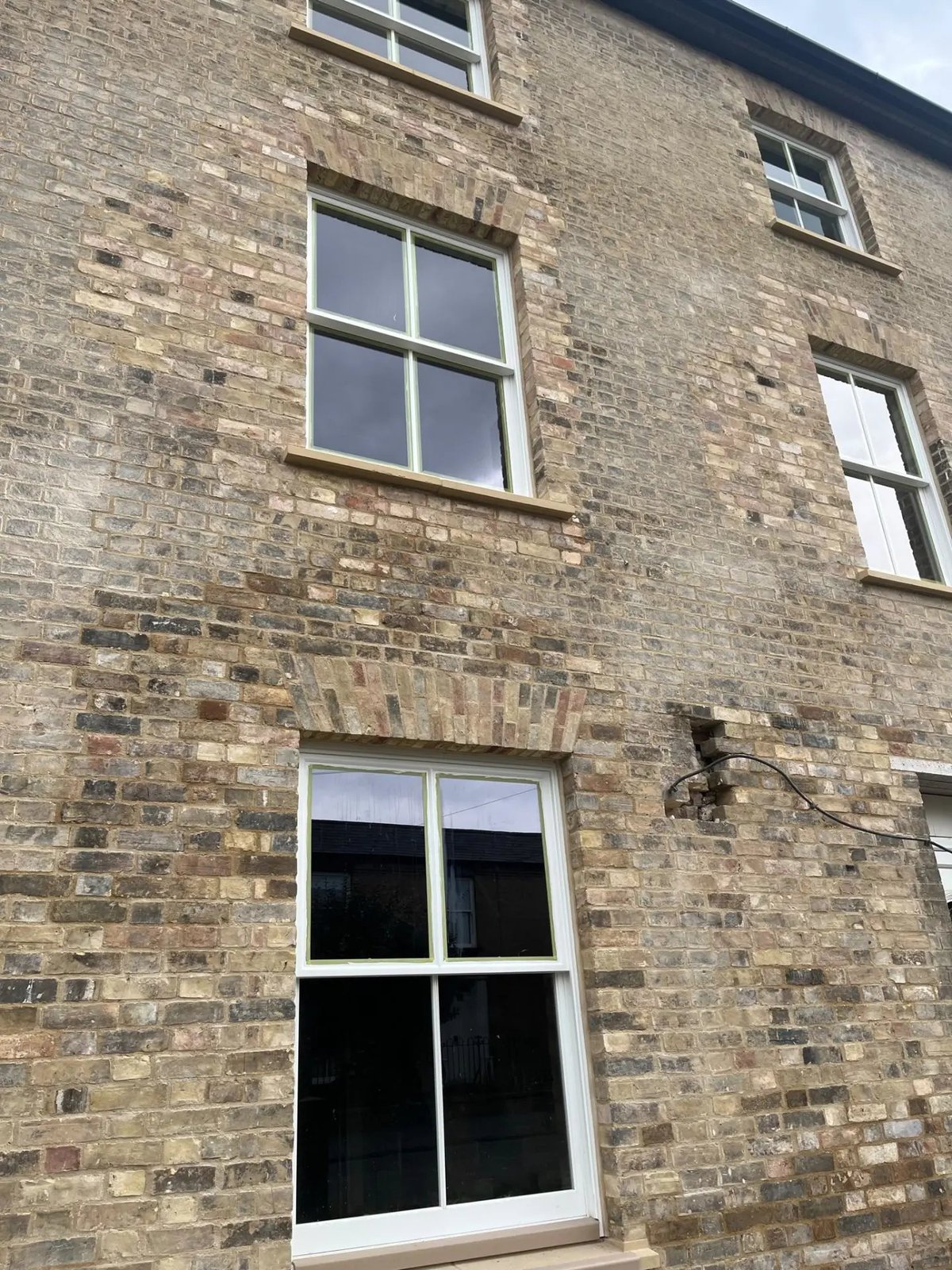
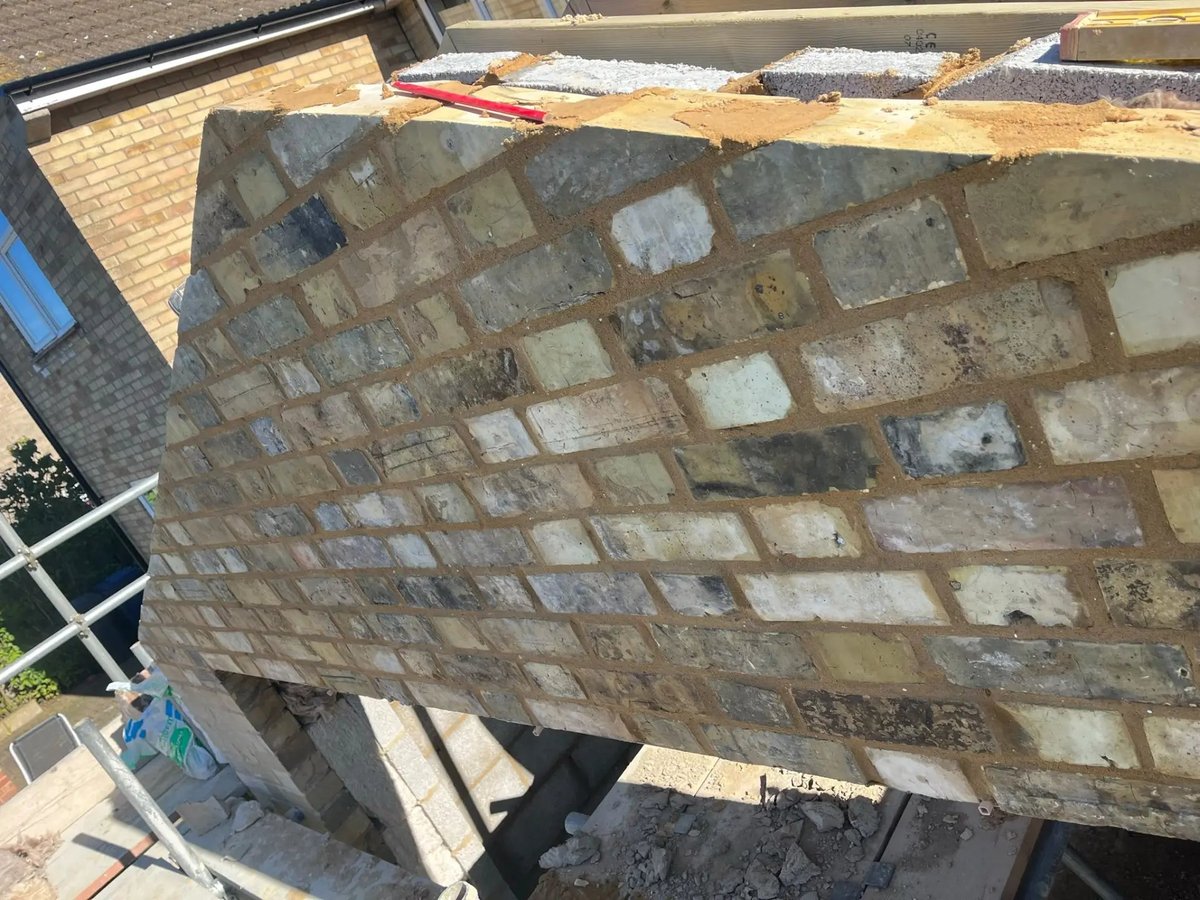
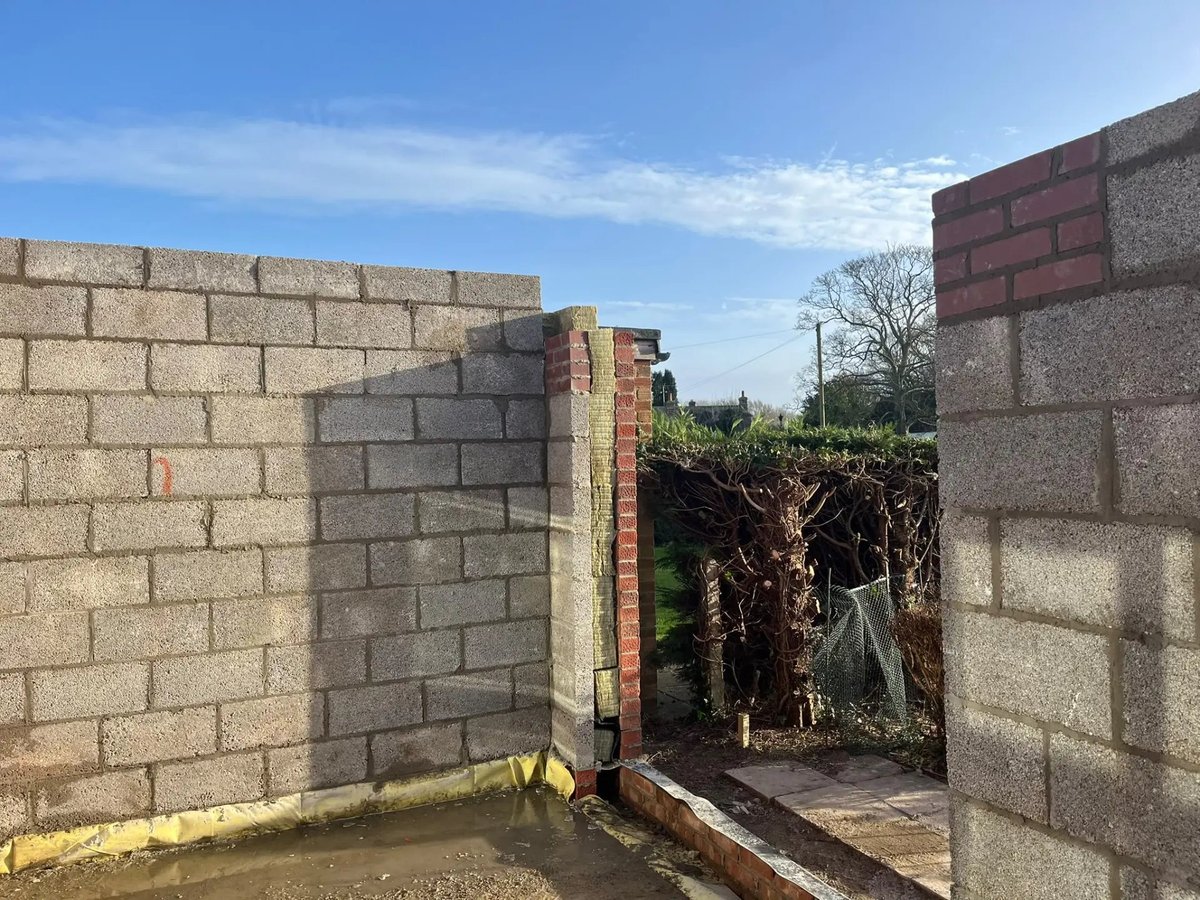
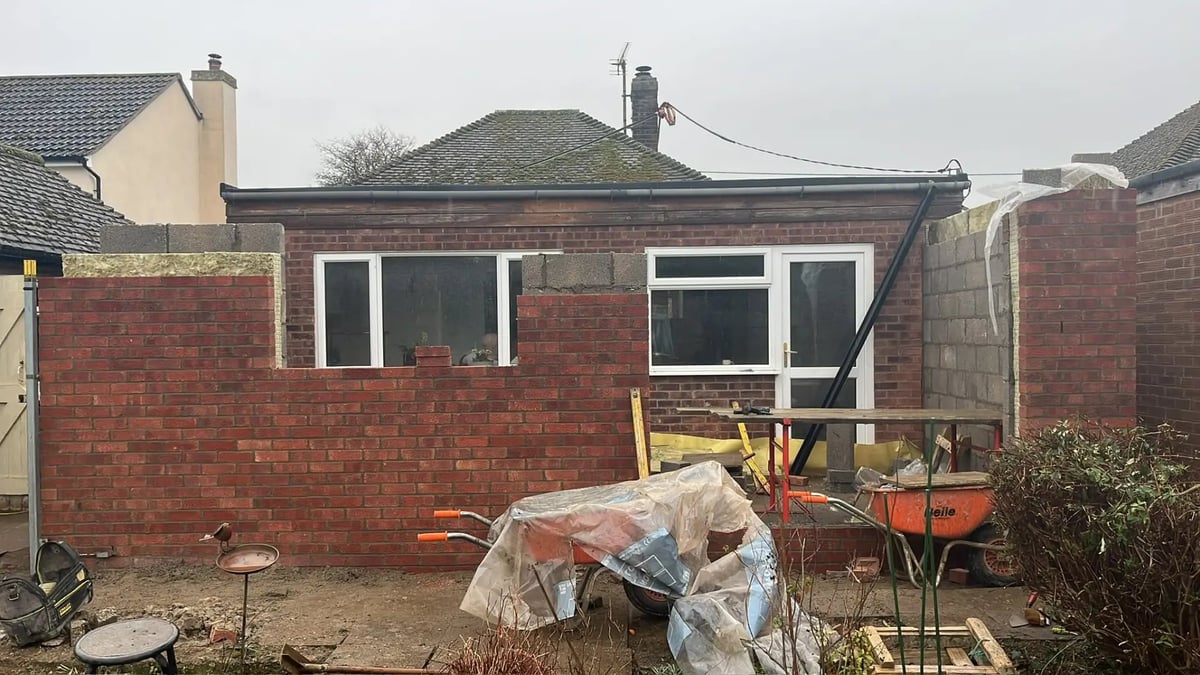
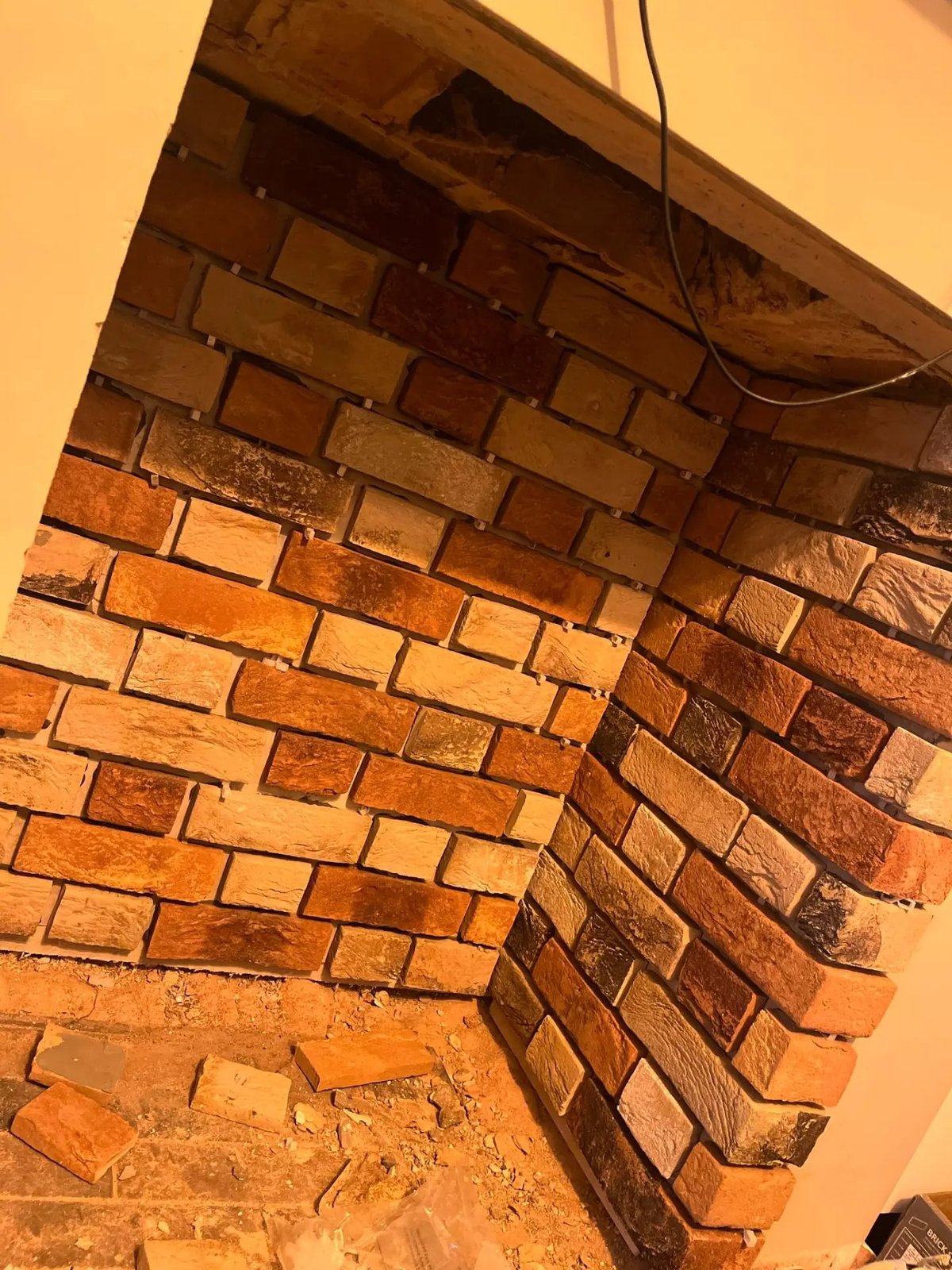
The service
Bricklaying done to last, not just laid straight
- Homeowners wanting a new garden or boundary wall, with or without piers
- Anyone with cracked, bulging or spalled brickwork needing repair
- Extensions or new openings that need brick matched to the existing house
- Chimney stacks that need rebuilding or building new
- Landscaping projects where retaining or feature walls form part of the design
- Self-builders needing structural and feature brickwork as part of a wider build
Brickwork looks simple from the pavement and it isn't. A wall that stands square for fifty years is set out correctly before the first brick goes down, tied and bonded to carry its own weight and whatever sits on top of it, and built with a mortar mix suited to the brick and the exposure it'll get. Jack Prime has been laying brick for ten years, taught by his dad Martin, who still works alongside him on site rather than sitting in an office.
Prime Build Services takes on brickwork at every scale: single garden walls, boundary walls that run the length of a plot, brick piers for gates and pergolas, new chimney stacks built from scratch, and repair work on brickwork that's cracked, bulged, spalled or simply looks tired against the rest of the house. We also do the matching work that makes a repair invisible rather than obvious - sourcing brick that sits with the existing colour, texture and size rather than the nearest thing on the merchant's shelf.
This is a trade where the mistakes are permanent and expensive to undo. A wall built off a shallow footing, or laid without movement joints where it needs them, will crack and lean within a few winters. We set foundations to suit the wall height and ground conditions, use the bond that suits the wall's job, and build in DPC and movement joints where the brief and the structure call for them.
We work across St Neots, Huntingdon, St Ives, Godmanchester, Cambourne, Cambridge, Sandy and Hemingford Grey, and county-wide through Cambridgeshire, with jobs also taken on in parts of Bedfordshire, Suffolk and Northamptonshire.
What it costs to leave it
Where brickwork goes wrong
Most brickwork problems trace back to what's underneath or behind the bricks, not the bricks themselves. A footing that's too shallow, or not wide enough for the wall height above it, lets the wall move with the ground through wet winters and dry summers. Once a wall starts to lean, straightening it usually means taking it down and rebuilding from the footing up - there's no reliable way to correct lean in a standing wall.
The wrong bond for the job is another recurring issue. A single-skin wall laid in stretcher bond with no piers or returns has very little resistance to wind load and will bow over time, particularly on an exposed boundary. Piers, or a switch to a bonded double-skin wall, are what stop that movement, and the decision needs making before the wall goes up, not after it's already leaning.
Cement-based mortar on older, softer brick is a slower but equally damaging mistake. Hard cement pointing doesn't flex with the brick and traps moisture behind it, so the brick face spalls and crumbles while the pointing itself stays intact. We match mortar mix to the brick it's going against rather than defaulting to whatever's easiest to buy.
Chimneys bring their own set of failure points - flashing that's been left out or done badly, a lack of a proper flaunching at the pot, and brick that's been rebuilt without matching the coursing of the stack below it, which leaves a visible line where old meets new for anyone who looks up.
Mistakes we get called out to fix
- Footings too shallow or too narrow for the wall height
- No piers or returns on long single-skin walls, leading to bowing
- Cement mortar used against soft or older brick, causing face spalling
- No damp-proof course where the wall meets a building or sits on a footing prone to rising damp
- Missing or poorly detailed movement joints on long runs of brickwork
- Chimney rebuilds that don't match the coursing or bond of the original stack
How the job runs
A set order of work,
start to finish
Step 1
Site visit and survey
Jack visits to look at the wall, chimney or repair in question, checks ground conditions where relevant, and discusses what you want from the finished brickwork.
Step 2
Brick matching and specification
For repairs and extensions we identify the existing brick type, bond and mortar colour, and source brick that matches as closely as the market allows.
Step 3
Pricing and agreement
You get a clear price for the job based on what's been discussed, with the scope of work agreed before anyone picks up a trowel.
Step 4
Setting out and foundations
For new walls and piers, footings are dug and set to a depth and width that suits the wall height and ground conditions before any brick is laid.
Step 5
Laying and building
Brick is laid to the agreed bond with correct coursing, ties, DPC and movement joints built in as the wall goes up, not added afterwards.
Step 6
Pointing and finish
Joints are pointed to match the existing profile and colour, debris is cleared, and the finished brickwork is checked for line, level and consistency before we leave site.
What you get
What the work gives you
once we're off site
Ten years laying brick
Jack has spent a decade on brickwork, taught the trade by his dad Martin, who's still on site working alongside him rather than managing from a distance.
Correct bond for the job
Garden walls, boundary walls and piers are built in the bond suited to their height, span and exposure, not just whatever's quickest to lay.
Brick matched properly
Repairs and extensions are matched to the existing brick's colour, texture and coursing so new work sits with old rather than standing out.
£2 million insurance cover
Every brickwork job is carried out under £2 million public and employers' liability insurance.
6-month workmanship guarantee
Finished brickwork is covered by a 6-month guarantee against defects in the work itself.
One point of contact throughout
Jack is on site day to day and is who you speak to before, during and after the job - not a rotating cast of subcontractors.
In detail
What's involved in a brickwork job
Brickwork covers a wide range of jobs, from a low garden wall to a full chimney rebuild. Here's what each part of the work actually involves.
Garden and boundary walls
A garden wall needs a footing sized to its height and the ground it sits in, then brick laid to a bond that resists wind and knocks without piers every few metres unless the design calls for a lighter feel. Boundary walls that run the length of a plot often need movement joints at intervals to allow for thermal expansion, plus attention to where the wall meets neighbouring structures or existing fences.
Brick piers
Piers carry gates, support pergolas, or simply break up a long run of wall visually and structurally. They need a wider, deeper footing than the wall itself because they carry concentrated load, and the bond has to tie the pier into the adjoining wall properly rather than butting the two together.
New brick chimneys
A new chimney stack is built off its own structural support through the roof, with correct coursing, flashing detail where it meets the roof covering, and a flaunching around the pot to shed water away from the brickwork. Getting the flashing wrong is the single most common cause of chimney-related damp inside a house.
Brickwork repairs
Repairs range from replacing a handful of spalled bricks to rebuilding a whole section of wall that's cracked or leaning. The brick used has to match the existing coursing so the repair reads as part of the wall rather than a visible patch, and any underlying cause - a leaking gutter, a failed DPC, ground movement - needs addressing so the repair actually lasts.
Brick matching
Matching brick means looking at colour, texture, size and the mortar joint width and colour of the existing work. Reclaimed brick or a close modern equivalent is used depending on what's available and what the job needs, and a sample is checked against the existing wall before the full order goes in.
Bonds
Stretcher bond, English bond, Flemish bond and header bond each have a different structural role and a different look. A single-skin garden wall, a load-bearing boundary wall and a decorative pier all call for a different bond, and we choose based on the wall's height, span and job rather than habit.
Damp-proof course (DPC)
DPC is built into brickwork wherever moisture could otherwise track upward from the ground or across into a building - typically near the base of a wall and at junctions with existing structures. Leaving it out to save time is one of the most common causes of long-term damp problems in brickwork.
Movement joints
Brick expands and contracts with temperature over a long run of wall. Movement joints - a compressible gap at set intervals - let that happen without the wall cracking. They're placed based on wall length, brick type and exposure, not evenly regardless of the job.
Pointing to match
The mortar joint profile - bucket handle, flush, recessed - and the mortar colour both affect how a wall reads. New work is pointed to match existing pointing on repairs and extensions so the join between old and new brick isn't obvious from a few feet back.
Common questions
Brickwork & bricklaying:
straight answers
Can you match the brick on my existing house?
In most cases, yes. We look at the colour, texture, size and coursing of your existing brick and source the closest match available, using reclaimed brick where that gives the best result. A sample is checked against your wall before the full order is placed.
How deep does a footing need to be for a garden wall?
It depends on the wall height, the ground conditions and local drainage. Jack assesses this on the site visit rather than working to a single fixed depth for every wall.
Do you build free-standing brick piers?
Yes, for gates, pergolas or as a feature within a wall run. Piers need their own footing sized for the load they'll carry.
Can you rebuild a chimney stack?
Yes, we build new chimney stacks and rebuild existing ones, including matching the coursing of the section that's staying so the new brick doesn't stand out.
My wall is leaning - can it be straightened?
A leaning wall usually can't be corrected in place. In most cases the affected section needs taking down and rebuilding off a proper footing so the lean doesn't return.
Do you do the pointing as part of a brickwork job?
Yes, pointing is part of any brickwork job we take on, finished to match the joint profile and colour of surrounding work where relevant.
How long does a garden wall take to build?
This depends on the length and height of the wall, ground conditions and weather. Jack will give you a realistic timeframe once he's seen the job.
What areas do you cover for brickwork?
St Neots, Huntingdon, St Ives, Godmanchester, Cambourne, Cambridge, Sandy, Hemingford Grey and Cambridgeshire county-wide, plus parts of Bedfordshire, Suffolk and Northamptonshire.
Is brickwork covered by your workmanship guarantee?
Yes, every brickwork job carries our 6-month workmanship guarantee, and the work is carried out under £2 million public and employers' liability insurance.
Related work
Often booked alongside
Where we work
Brickwork & bricklaying across Cambridgeshire
- St Neots
- Huntingdon
- St Ives
- Godmanchester
- Cambourne
- Cambridge
- Sandy
- Hemingford Grey
- Cambridgeshire
- Bedfordshire
- Suffolk
- Northamptonshire
Based at 11a St Mary's Street, St Neots. See the full list of areas we cover.
Next step
Get your brickwork looked at properly
Call Jack on 07482 244276, answered 24 hours, or send details of the wall, chimney or repair you need and he'll arrange a time to come and look.
Open 24 hours, 7 days a week · £2 million insured · 6-month workmanship guarantee